


Table of Contents
- What Is Roof Waterproofing?
- How a Roof Waterproofing System Works
- Roof Underlayment: Synthetic vs. Felt
- Flashing and Other Vulnerable Roof Areas
- Self-Adhered Waterproofing Membranes
- Waterproofing Systems for Flat and Low-Slope Roofs
- How to Waterproof a Roof Properly
- Signs Your Roof Waterproofing May Be Failing
- How to Maintain a Waterproof Roof
- Choosing the Right Roof Waterproofing Materials
- Frequently Asked Questions
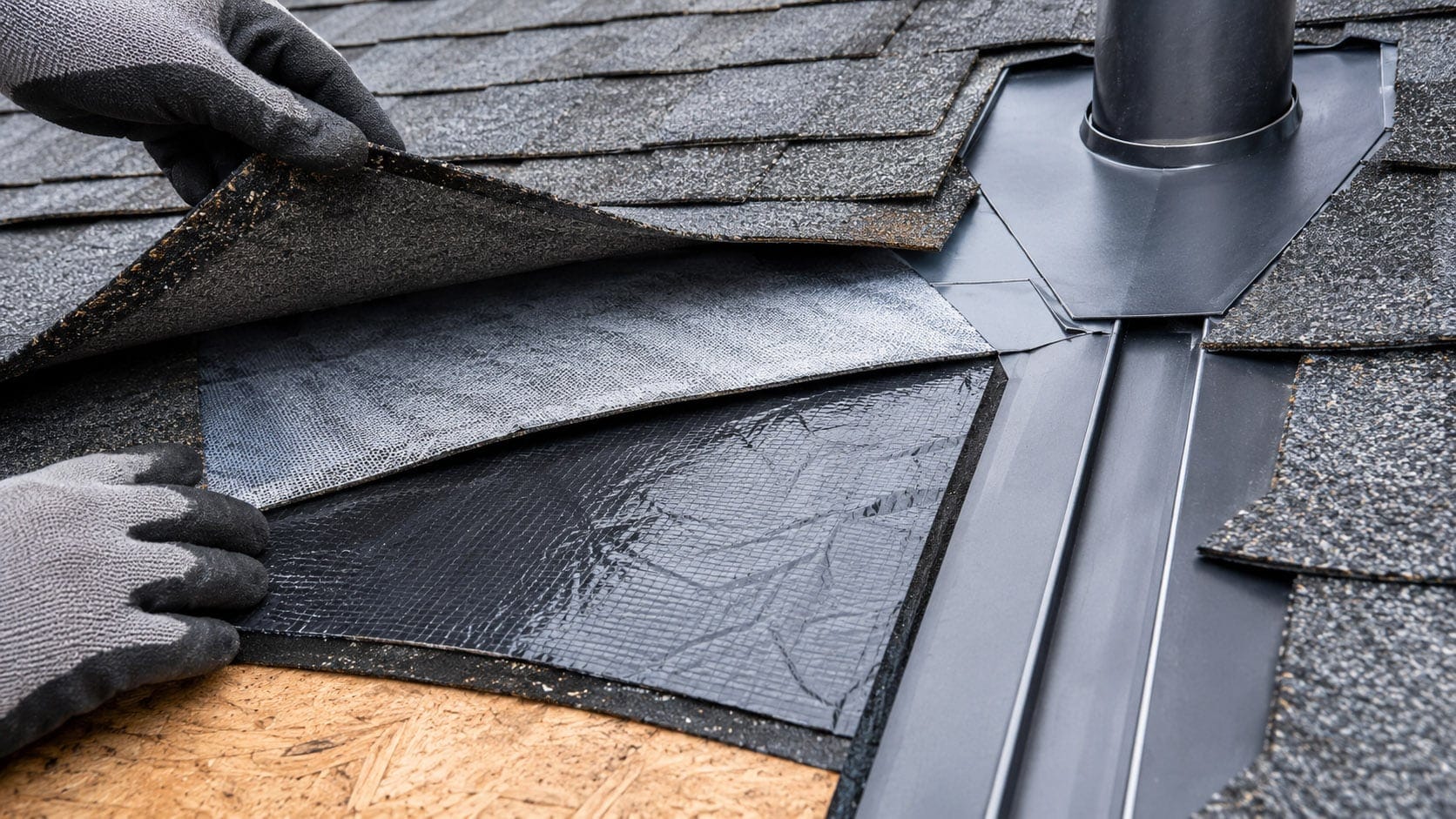
Roof waterproofing is not a single coating or material. It is a system of roof coverings, underlayment, flashing, membranes, drainage components, and installation details designed to keep water from reaching the roof deck and interior of a building.
Shingles, tiles, and metal roofing are primarily designed to shed water. The waterproofing layers beneath and around them provide additional protection when wind-driven rain, ponding water, damaged roofing, or vulnerable roof penetrations allow moisture to reach areas below the surface.
Understanding how these systems work can help homeowners and contractors choose the right roofing materials, identify potential leak problems, and make better decisions during a roof repair or replacement.
Key Takeaways
- Roof waterproofing depends on the complete roofing system rather than one surface material.
- Underlayment provides an important secondary water-shedding layer beneath shingles, tile, and other roof coverings.
- Flashing, valleys, penetrations, edges, drains, and roof transitions are among the areas most vulnerable to water intrusion.
- Self-adhered membranes can provide additional protection in critical locations when they are appropriate for the roofing system.
- Flat and low-slope roofs generally rely on membrane or coating systems designed specifically for those roof conditions.
- Existing damage should be repaired before a new waterproofing system is installed.
- Regular inspection and maintenance help identify waterproofing problems before they lead to more extensive roof damage.
What Is Roof Waterproofing?
Roof waterproofing refers to the materials and installation methods used to prevent water from entering the roof assembly and building below.
On a sloped roof, the visible roofing material usually serves as the first line of defense by directing rain toward the gutters and away from the building. Beneath that surface, underlayment and other waterproofing components provide additional protection.
On flat and low-slope roofs, waterproofing works differently. Because water drains more slowly, these roofs generally rely on continuous membrane or coating systems designed to resist water intrusion across the entire roof surface.
The correct waterproofing method therefore depends heavily on the type of roof.
How a Roof Waterproofing System Works
A properly designed roof uses several components together rather than depending on one product to keep water out.
Depending on the roof type, these components may include:
- Shingles, tile, metal panels, or another roof covering
- Roof underlayment
- Self-adhered waterproofing membranes
- Flashing
- Drip edges and other perimeter components
- Valley protection
- Seals around vents, skylights, chimneys, and other penetrations
- Low-slope roofing membranes or coatings
- Roof drains, scuppers, gutters, and downspouts
Each component handles water differently. Problems often develop not because the main roofing material fails, but because water finds a weak point at a transition, penetration, seam, or drainage area.
Why Shingles Are Only the First Line of Defense
Asphalt shingles, roof tiles, and many metal roofing systems are designed primarily to shed water downward across the roof.
They are not necessarily intended to function as the roof’s only waterproof barrier.
Wind-driven rain can reach beneath some roof coverings, roofing can become damaged or displaced, and vulnerable areas such as valleys and penetrations can receive concentrated amounts of water.
That is why the layers beneath the visible roofing are an important part of protecting the roof deck and building interior.
Roof Underlayment: Synthetic vs. Felt
Roof underlayment is installed over the roof deck and beneath the primary roof covering. It provides a secondary layer of protection against moisture.
Asphalt-Saturated Felt
Traditional roofing felt, often called tar paper, has been used for decades beneath shingles and other roof coverings.
It remains available in different weights and can be appropriate for certain roofing systems. However, felt can be more susceptible to tearing and moisture-related wrinkling during installation than many modern synthetic products.
Synthetic Underlayment
Synthetic roofing underlayments are commonly manufactured from materials such as polypropylene or polyethylene.
Depending on the product, they can offer high tear resistance, lighter weight, improved walkability, and greater resistance to moisture exposure during installation.
That does not mean synthetic underlayment is automatically the right choice for every roof. The roofing material, manufacturer requirements, roof slope, exposure period, local building requirements, and complete roof assembly should all be considered.
For tile roofs in particular, the underlayment must be compatible with the tile system and designed to provide the long-term protection required beneath a roof covering that may remain in place for many years.
Flashing and Other Vulnerable Roof Areas
Many roof leaks occur where the roof surface changes direction or intersects another building component.
Common vulnerable areas include:
- Chimneys
- Skylights
- Plumbing vents
- Roof valleys
- Walls that meet the roof
- Roof edges
- Transitions between different roofing systems
Flashing is used in these areas to direct water away from joints and openings.
Damaged, improperly installed, loose, corroded, or poorly sealed flashing can allow water into the roof assembly even when the surrounding roofing material is still in good condition.
These areas should be checked during routine roof inspections and whenever roofing work is being performed nearby.
Self-Adhered Waterproofing Membranes
Self-adhered membranes are commonly used to provide additional water protection in selected parts of a roof.
These products typically adhere directly to the roof deck or another approved substrate and can create a continuous barrier around vulnerable locations.
Depending on the roofing system and manufacturer requirements, self-adhered membranes may be used in areas such as:
- Roof valleys
- Eaves
- Low-slope transitions
- Around penetrations
- Other areas exposed to concentrated or wind-driven water
Many self-adhered membranes are designed to seal around fasteners that penetrate the material, providing an additional layer of protection against water intrusion.
The appropriate membrane and installation method depend on the roof assembly and project requirements.
Waterproofing Systems for Flat and Low-Slope Roofs
Flat and low-slope roofs require different waterproofing methods because water does not drain from them as quickly as it does from a steep-slope roof.
Traditional shingles generally are not appropriate below the minimum slopes specified by their manufacturers. Instead, low-slope roofs typically use continuous roofing systems designed for those conditions.
Modified Bitumen Roofing
Modified bitumen is an asphalt-based roofing system commonly used on flat and low-slope roofs.
Systems may use multiple layers and different attachment methods depending on the product and roof design. Modified bitumen can provide a durable waterproofing surface for both residential and commercial applications.
TPO Roofing
Thermoplastic polyolefin, or TPO, is a single-ply membrane commonly used on commercial and other low-slope roofs.
Sheets are joined using heat-welded seams to create a continuous roofing surface. Many TPO products also have reflective surfaces that can help reduce solar heat absorption.
PVC Roofing
PVC is another thermoplastic single-ply membrane system used on low-slope roofs. Like TPO, properly installed PVC systems use welded seams to create a continuous water-resistant roof covering.
EPDM Roofing
EPDM is a flexible synthetic rubber membrane widely used on low-slope roof systems.
Depending on the system, EPDM may be mechanically attached, adhered, or installed using other manufacturer-approved methods.
Liquid-Applied Roof Coatings
Liquid-applied coatings can be used on certain existing roof systems for restoration, protection, or waterproofing purposes.
Common coating technologies include silicone, acrylic, and polyurethane products.
A coating should not be treated as a universal fix for every leaking roof. The existing roofing material, condition of the substrate, drainage, moisture within the roof system, preparation requirements, and compatibility with the coating all need to be evaluated first.
How to Waterproof a Roof Properly
There is no single step-by-step waterproofing process that applies to every roof. Waterproofing an asphalt shingle roof is very different from installing a TPO membrane on a low-slope commercial building.
However, most successful waterproofing projects follow the same basic principles.
1. Identify the Existing Roofing System
Start by identifying the roof covering, underlayment or membrane system, roof slope, drainage design, and existing conditions.
The appropriate waterproofing solution depends on what is already installed.
2. Inspect the Roof for Damage
Before adding waterproofing materials, identify existing problems such as:
- Missing, cracked, or damaged roofing
- Loose or deteriorated flashing
- Open seams
- Damaged roof penetrations
- Blocked drains or gutters
- Soft or deteriorated decking
- Blistering or bubbling
- Ponding water
- Evidence of previous leaks or trapped moisture
3. Repair Existing Problems
A new membrane, coating, or sealant should not simply be installed over a roof with unresolved damage.
Damaged roofing, flashing, drainage components, decking, seams, or penetrations should be properly evaluated and repaired as part of the waterproofing project.
4. Select a System Appropriate for the Roof
The waterproofing product should match the roof type and intended application.
A steep-slope shingle roof may rely primarily on roofing underlayment, flashing, and strategically placed self-adhered membranes, while a low-slope roof may require a complete TPO, PVC, EPDM, modified bitumen, or coating system.
5. Follow Manufacturer Installation Requirements
Roofing membranes, coatings, underlayments, flashing products, and sealants all have specific substrate preparation, attachment, overlap, curing, temperature, and installation requirements.
Following those requirements is critical to obtaining the expected waterproofing performance.
Signs Your Roof Waterproofing May Be Failing
A roof does not need to be visibly leaking into the interior before it deserves attention.
Some conditions that may indicate roofing or waterproofing problems include:
Granule Loss
Asphalt shingles naturally lose some surface granules over time. However, noticeable accumulation in gutters or areas of visibly worn shingle surface can indicate aging or deterioration that should be evaluated.
Damaged Flashing or Sealant
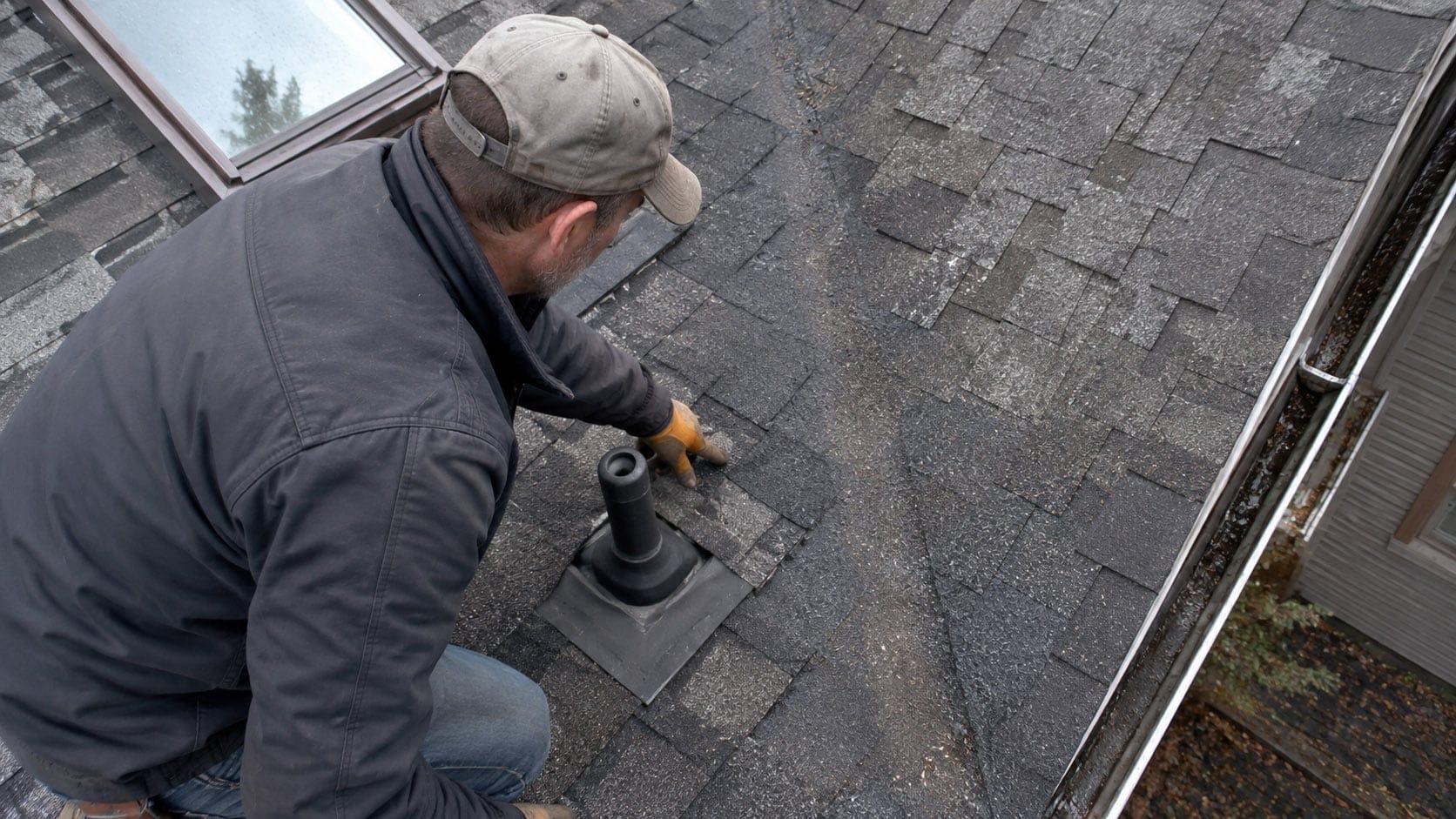
Loose flashing, deteriorated seals, open joints, or damaged components around roof penetrations can create paths for water to enter the roof system.
Ponding Water
Water that remains on a low-slope roof for an extended period after rainfall may indicate drainage problems, blocked drains, inadequate slope, or other conditions requiring evaluation.
The acceptable amount and duration of ponding depends on the particular roofing system and manufacturer requirements.
Blistering or Bubbling
Blisters or raised areas can occur in some roof systems for several reasons, including trapped moisture, air, installation conditions, or deterioration.
Blistering should be evaluated rather than automatically punctured, coated over, or assumed to have a single cause.
Interior Water Stains
Ceiling stains, damp insulation, discoloration, or other signs of interior moisture can indicate roof leakage, although water can travel before it becomes visible inside a building.
Finding the actual source is important before attempting a repair.
How to Maintain a Waterproof Roof
Routine inspection can help identify small roofing problems before they become more extensive.
Useful maintenance steps include:
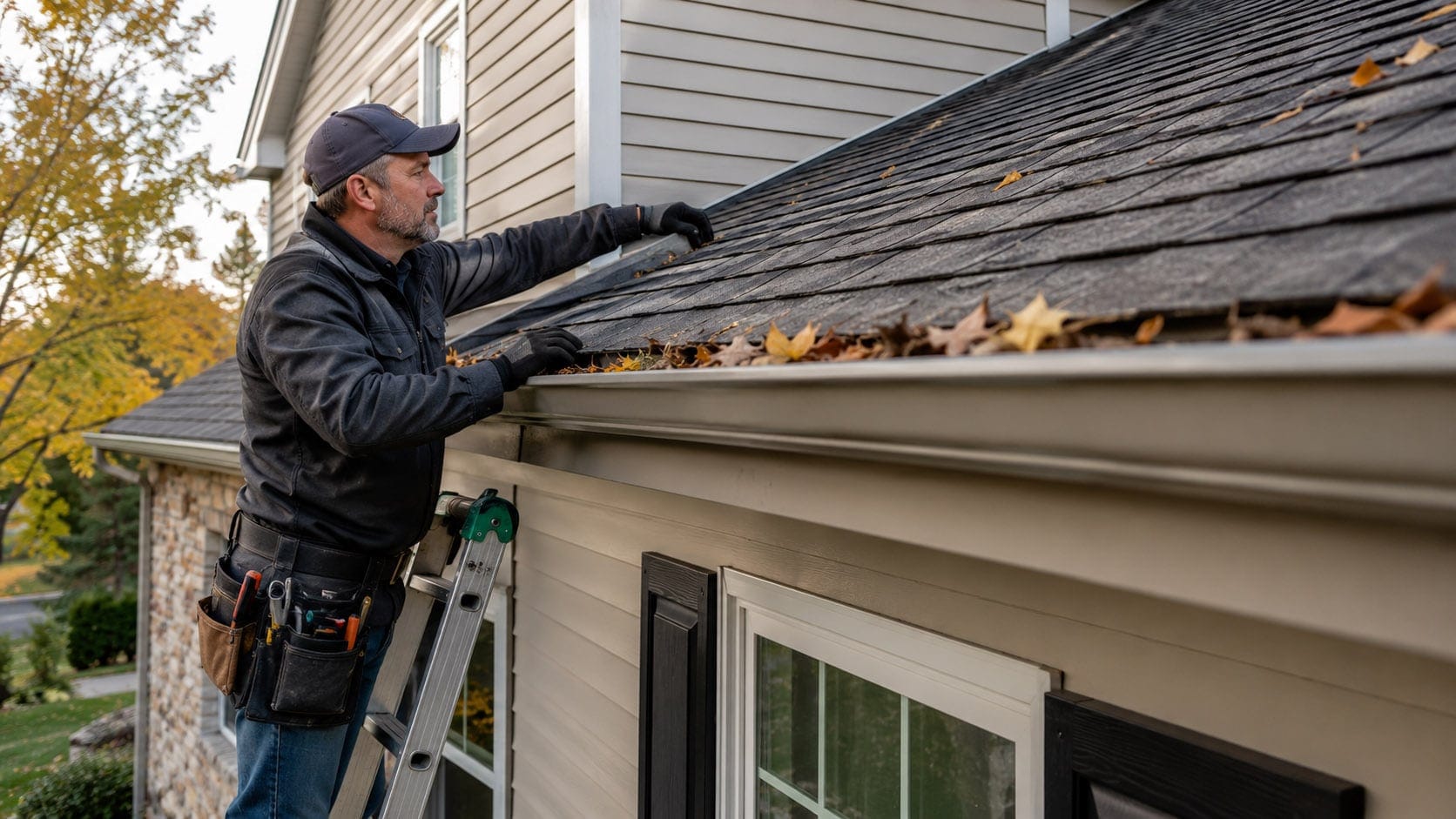
- Keeping gutters, drains, and scuppers clear
- Removing leaves and other debris from roof surfaces and valleys
- Checking visible flashing and roof penetrations for damage
- Looking for missing or damaged roof coverings
- Monitoring low-slope roofs for drainage problems or ponding
- Checking membrane seams and coatings where appropriate
- Inspecting the roof after unusually severe weather
Homeowners should avoid walking on roofs when it is unsafe or when doing so could damage the roofing material. Many problems can initially be spotted from the ground, attic, windows, or other safe locations.
For a more detailed review, see our roof inspection checklist.
Choosing the Right Roof Waterproofing Materials
The best waterproofing product depends on the entire roof rather than which material sounds most durable.
Before selecting a waterproofing system, consider:
- Roof slope: Steep-slope and low-slope roofs require different systems.
- Existing roofing: Products must be compatible with the materials already installed.
- Roof deck condition: Damaged or wet substrates may need repair before waterproofing.
- Drainage: Waterproofing cannot substitute for a properly functioning drainage system.
- Vulnerable areas: Valleys, penetrations, edges, transitions, and drains may require additional protection.
- Manufacturer requirements: Installation details vary significantly between products.
- Building requirements: Roofing systems must comply with applicable code and permit requirements.
- Expected service life: A short-term repair and a complete roofing system have very different goals.
If a roof is already near the end of its useful life or has widespread deterioration, applying another waterproofing product may not be the best long-term solution. A more complete roof replacement or repair may provide better value.
Frequently Asked Questions About Roof Waterproofing
What is the best material for roof waterproofing?
There is no single best waterproofing material for every roof. Sloped roofs commonly rely on underlayment, flashing, self-adhered membranes, and the primary roof covering, while flat and low-slope roofs may use systems such as modified bitumen, TPO, PVC, EPDM, or compatible liquid-applied coatings.
Are roof shingles waterproof?
Shingles are primarily designed to shed water rather than act as a completely waterproof membrane by themselves. Underlayment, flashing, valleys, roof penetrations, and proper installation all contribute to the roof’s resistance to water intrusion.
What is the best underlayment for a tile roof?
The appropriate underlayment depends on the tile system, roof slope, manufacturer requirements, expected service life, local building requirements, and project conditions. Synthetic and other specialized underlayments are commonly used beneath tile, but no single product is best for every installation.
Do I need a self-adhered waterproofing membrane?
Self-adhered membranes can provide additional water protection in vulnerable areas such as valleys, eaves, transitions, and around penetrations. Whether one is required or recommended depends on the roofing system, manufacturer instructions, building requirements, and project conditions.
Can I apply a waterproof coating over old shingles?
Roof coatings are not a universal solution for aging asphalt shingles. Whether a coating can be used depends on the roofing material, coating manufacturer, roof condition, drainage, and compatibility of the products. Coating an unsuitable or deteriorated roof can conceal rather than solve underlying problems.
What waterproofing system is used on a flat roof?
Flat and low-slope roofs commonly use systems such as modified bitumen, TPO, PVC, EPDM, built-up roofing, or compatible liquid-applied coatings. The right system depends on the roof design, deck, drainage, existing materials, and project requirements.
How do you waterproof a leaking roof?
The first step is identifying the actual source and cause of the leak. Damaged roofing, failed flashing, open seams, penetrations, drainage problems, or deteriorated roof components should be repaired before choosing an appropriate waterproofing material or system.
How often should roof waterproofing be inspected?
Roofing should be inspected periodically and after significant weather events when appropriate. The ideal schedule depends on the roofing system, age, exposure, manufacturer recommendations, and building conditions.
What causes waterproofing to fail?
Common causes include improper installation, incompatible materials, aging, damaged flashing, failed seams, poor drainage, ponding water, roof movement, damaged penetrations, trapped moisture, and deterioration of the roofing system.
Roof Waterproofing Materials and Supplies
LA Roofing Materials supplies residential and commercial roofing and waterproofing products for a wide range of roof systems.
Depending on the project, available materials include roof underlayments, self-adhered membranes, asphalt roofing products, low-slope roofing systems, flashing materials, roof coatings, tile, shingles, metal roofing, and related accessories.
If you are planning a roof repair, replacement, or waterproofing project, visit our products and services page or contact LA Roofing Materials for help identifying materials appropriate for your project.
Roofing and waterproofing requirements vary by roof system, manufacturer, building, and jurisdiction. This article provides general information and is not a substitute for manufacturer specifications, project plans, or guidance from a licensed roofing professional.