


Picking a commercial roof in Los Angeles usually comes down to four things fast: heat, water, code, and logistics. The right system has to handle long UV exposure, sudden heavy rain, and the practical realities of getting material to an active jobsite without slowing the crew down.
For property managers, facility teams, and general contractors, the best choice is rarely about one material being “best” in every case. It is about fit. A retail strip center, a warehouse, a school addition, and a mixed-use building may all need different assemblies, even if they sit within a few miles of each other. Budget matters, but so do slope, deck type, rooftop traffic, energy requirements, and how long the owner plans to hold the building.
This is where a real selection process helps. Start with the building, then narrow the system, then make sure your supplier can actually support the job from takeoff to delivery. If you are comparing commercial roofing materials, keep the decision grounded in performance and jobsite execution, not just a line-item price.
Start with the building, not the brochure
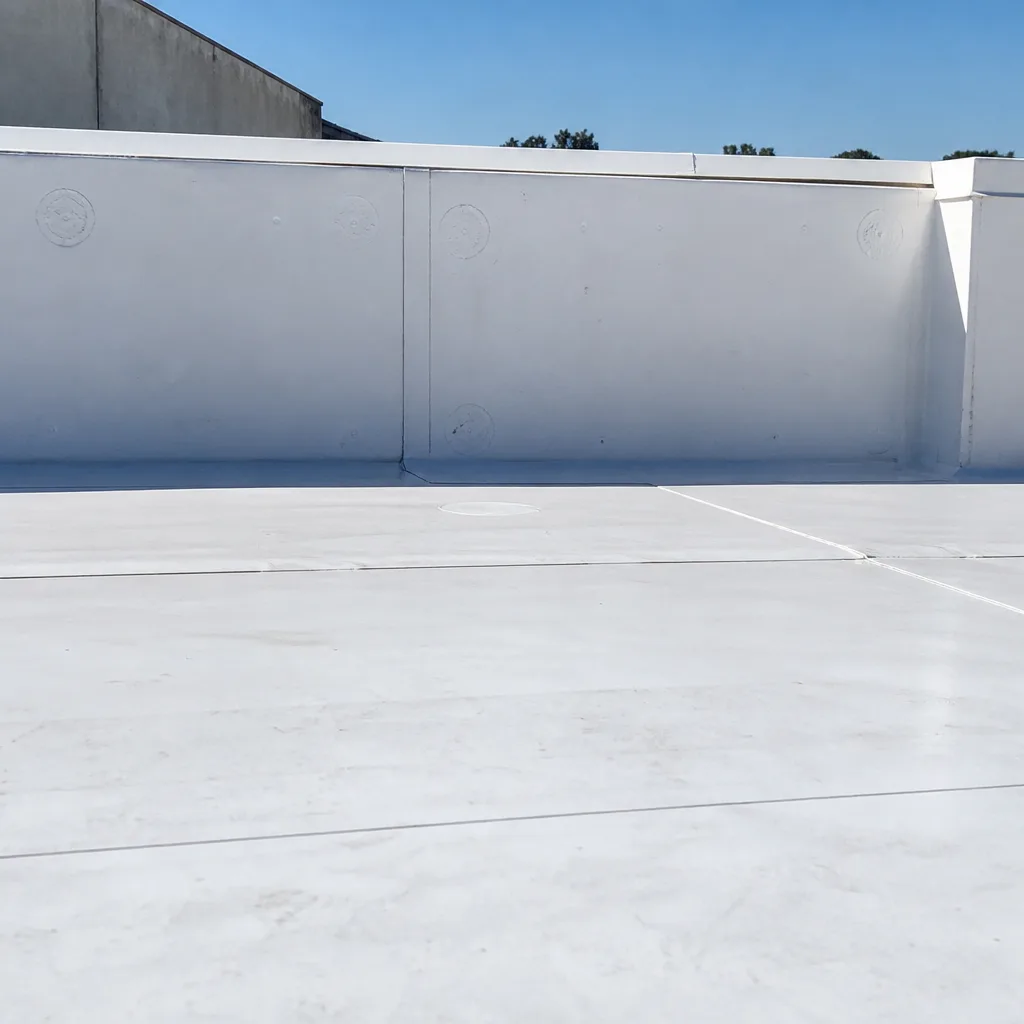
Before you talk material, define the roof’s job. That sounds obvious, but plenty of bad specifications start with a preferred product instead of the building conditions.
Look at the basics first
- Roof slope: Flat and low-slope assemblies need different drainage and waterproofing strategies than steep-slope systems.
- Deck type: Steel, concrete, and wood decks can push the assembly in different directions.
- Occupancy: An occupied office, food facility, school, or industrial building may have different tolerance for odor, noise, access, and downtime.
- Foot traffic: HVAC service paths, solar access, and frequent maintenance activity affect membrane choice and protection needs.
- Exposure: Southern California sun is hard on roofs. UV resistance and heat performance matter.
- Fire and local code conditions: Some projects also need closer attention to fire classification, especially in wildfire-prone areas. Always confirm local requirements with the building department.
If the project is a reroof, look hard at the existing assembly too. Moisture in the system, tapered needs, edge conditions, and penetrations can change the spec quickly.
Matching the system to the building type
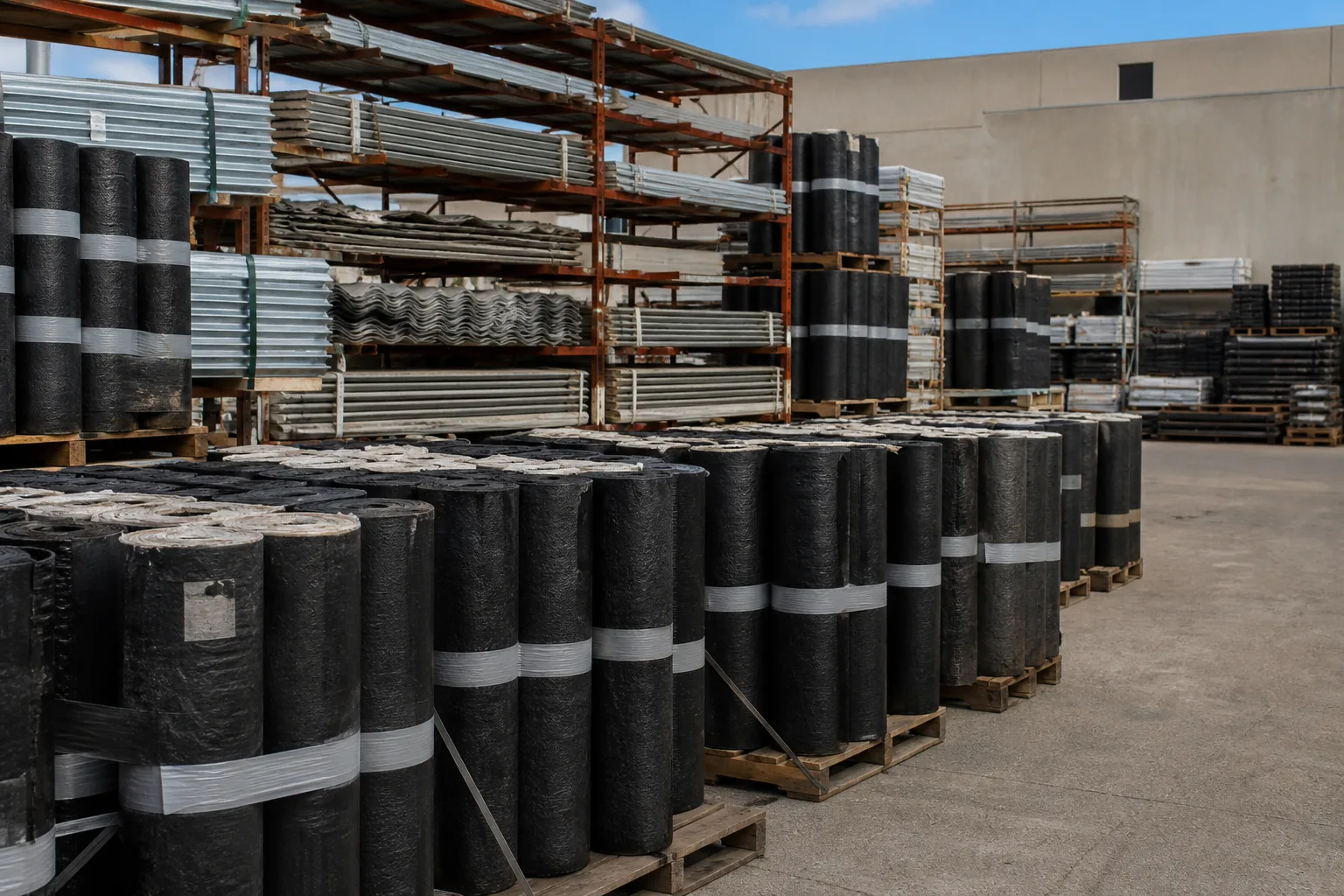
Most commercial jobs in Los Angeles that we see fall into a few familiar categories. Here is how the common systems usually fit.
TPO for heat reflectivity and clean low-slope layouts
TPO is often specified on low-slope commercial buildings where reflectivity and energy performance are part of the conversation. In Southern California, that makes sense. A reflective single-ply roof can help reduce heat gain, and cool-roof compliance may be part of the design depending on the project scope and building type.
TPO is often a practical fit for warehouses, retail buildings, and newer commercial construction with relatively clean roof geometry. It can be a strong option where the owner wants a lighter-looking assembly and where rooftop details are manageable. But details matter. A roof with a lot of penetrations, awkward transitions, or unusual traffic patterns may need a closer look before defaulting to single-ply.
Modified bitumen for durability and complex conditions
Modified bitumen still makes a lot of sense on many Los Angeles commercial roofs, especially where the layout is busy or the building takes more abuse. On roofs with many penetrations, equipment curbs, and service traffic, mod bit can be easier to detail and maintain as part of a well-planned assembly.
It is also familiar territory for many commercial crews. That matters. A system that fits the building and the installer’s experience often performs better than a theoretically perfect spec that gets forced into the wrong application.
For buildings where toughness, repairability, and redundancy are priorities, modified systems stay in the conversation for good reason.
Metal for long-term value in the right commercial application
Metal is not the answer for every commercial roof, but for certain facilities, canopies, architectural buildings, and steep-slope sections, it can be the right call. It is especially attractive when appearance, service life, and reduced maintenance are part of the owner’s priorities.
On commercial work, metal often shows up as part of a broader building envelope strategy rather than a one-size-fits-all roof choice. If the project includes visible roof planes or exposed edge conditions, metal roofing materials may be worth reviewing alongside low-slope options.
Coatings when the existing roof is a good candidate
Roof coatings can be useful on the right commercial building, but they are not a shortcut for a failing assembly. The existing substrate has to be suitable, the roof has to be dry and stable, and the specification has to match the condition of the building.
For some owners, coatings are attractive because they can extend service life and improve reflectivity without a full tear-off. For others, a full replacement is the cleaner answer. This is where an experienced roofing contractor should assess the roof in person, and the material supplier should help confirm compatibility of the system components being ordered.
How Los Angeles climate and Title 24 affect the choice
Los Angeles does not punish roofs with freeze-thaw cycles or snow load, but the climate is still demanding. Constant sun, high surface temperatures, wind exposure, and intense seasonal rain events all shape material selection.
That is why reflectivity, UV resistance, drainage design, and flashing quality matter so much here. A roof that looks fine on paper can underperform if it is not detailed for heat and water management.
California’s energy code also enters the discussion. Depending on the project, California Energy Commission Title 24 requirements may affect cool-roof criteria and assembly choices. Requirements vary by building type, climate zone, and scope of work, so confirm the current standard and local enforcement with your design team and jurisdiction.
For many Los Angeles projects, that means the roofing decision is not just membrane-deep. Insulation, cover boards, attachment method, and surface properties all work together.
What to look for in a commercial roofing supplier
Material selection is only half the job. The supplier matters more than people think, especially once the schedule tightens up.
Inventory depth and system support
A good commercial roofing supplier should be able to support the whole assembly, not just the field membrane. That includes underlayment, insulation, tapered components, flashing, fasteners, sealants, ventilation, and edge accessories where applicable.
If you have to piece the job together from multiple yards, delays and substitutions get more likely. A supplier with broad Products & Services can help keep the scope coordinated.
Fleet delivery and will-call speed
On commercial work, logistics can make or break the day. Ask whether the supplier can stage jobsite delivery around access windows, crane picks, tenant operations, or downtown constraints. Will-call matters too. If the crew burns through a detail item, you do not want them standing in line pushing carts.
L.A. Roofing Materials serves Southern California contractors with will-call and custom jobsite fleet delivery, which is exactly the kind of support many commercial jobs need.
Buying power without losing local knowledge
Price matters, especially on bid work. But local service matters too. L.A. Roofing Materials is a NEMEON member, which gives the company cooperative buying power while staying independently family-owned. You can read more About NEMEON. For contractors and specifiers, that often means competitive pricing backed by people who understand Los Angeles jobsites.
Questions to ask before you place the order
Whether you are a GC, facility manager, or owner’s rep working with a licensed roofing contractor, these are the questions worth asking before material gets released:
- Is this system a match for the deck, slope, and occupancy?
- Does the assembly align with current Title 24 and local code requirements?
- Are the insulation and cover board components coordinated with the membrane?
- What lead times apply to the field material, accessories, and any special-order items?
- Can the supplier deliver in phases if the site has limited staging space?
- Are flashing, edge metal, sealants, and fasteners included, or still outstanding?
- Will rooftop traffic, solar work, or equipment service require added protection?
And one more practical question: if someone on your team searches for commercial roofing supplies near me, are they finding a yard that can actually support commercial scope, or just a place that stocks a few basics? There is a difference.
Where to get help before the spec gets expensive
The best time to ask questions is before the truck is loaded. If you are pricing a reroof, comparing low-slope systems, or trying to line up material for a Los Angeles commercial project, L.A. Roofing Materials can help you sort through the options and source the right assembly for the job.
Call or text 213-747-1718, Se habla español, email info@laroofingmaterials.com, or stop by 112 W. Jefferson Blvd, Los Angeles, CA 90007. Hours are Monday through Friday, 6am to 4pm, and Saturday, 6:30am to 12pm. If your crew needs will-call pickup or custom jobsite delivery, that can be arranged too. Bring the roof plan, the takeoff, or the questions. We’ll help you figure it out.