


Key Takeaways
- Roof underlayment is the layer between the roof deck and the finished roof covering, and the right choice depends on the roof type, budget, and exposure.
- Synthetic underlayment is lighter, tougher, and more tear-resistant than asphalt felt, which is why many contractors now prefer it for roof replacement jobs.
- Asphalt felt still has its place, especially on budget-driven projects or where the roof system calls for it.
- Ice and water shield is a self-adhered leak barrier used in vulnerable areas like valleys, eaves, penetrations, and low-slope transitions.
- In Southern California, sun exposure, heat, and Santa Ana winds matter just as much as rain when choosing roof underlayment.
- Buying the right roofing materials means checking code requirements, manufacturer specs, and how all parts of the roof system work together.
Most people ask the same basic question, which roof underlayment should I buy for a roof replacement in Los Angeles? The practical answer is this: synthetic underlayment is usually the go-to for pitched residential roofs because it holds up better during dry, windy job conditions and gives crews a tougher walking surface. Asphalt felt is still common and can make sense when budget is tight or when a specific roof assembly calls for it. Ice and water shield is different from both, because it is usually used in targeted areas where extra waterproof protection matters most.
If you are a homeowner, think of underlayment as the backup layer under your shingles or tile. If you are a contractor, you already know the field condition, slope, exposure, and staging timeline can change the right call fast. At L.A. Roofing Materials, we supply roofing materials to contractors and walk-in customers across Los Angeles. We do not install roofs, but we can help you figure out which materials make sense for the job and refer you to an installer if you need one.
What roof underlayment actually does
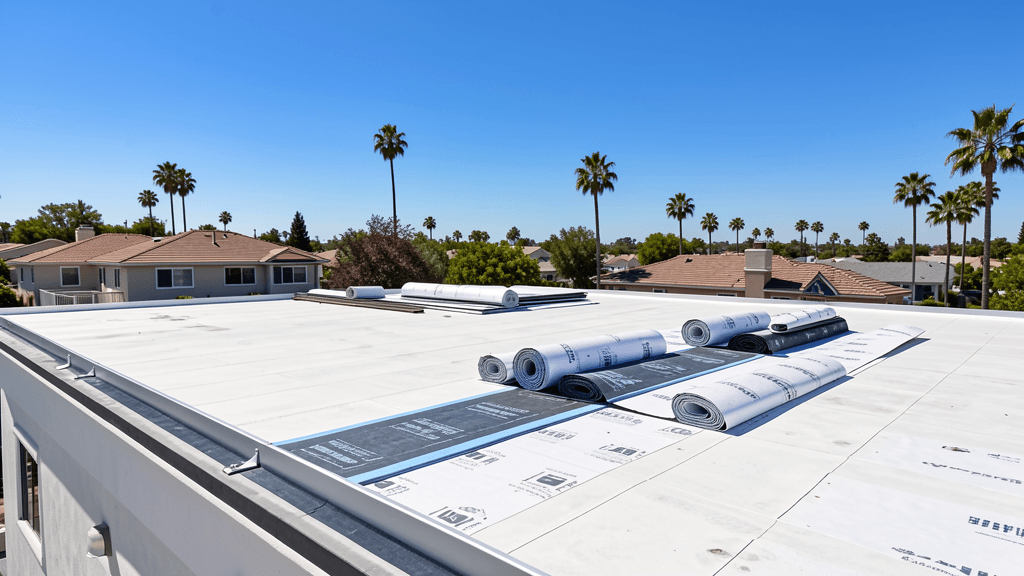
Roof underlayment sits between the roof deck and the outer roofing material. It helps protect the structure if wind-driven rain gets past the top layer, and it gives the roof system another line of defense while the covering is being installed.
That matters more than people think.
On a simple asphalt shingle roof, underlayment helps back up the system if shingles blow off or water gets pushed where it should not go. On tile roofs, it matters even more because tile sheds water, but the underlayment does a lot of the real waterproofing work underneath. On hot Southern California jobs, it also has to deal with UV exposure for however long the roof is open before the finish material goes on.
Synthetic vs felt vs self-adhered, the real difference
The three products people compare most are synthetic underlayment, asphalt felt, and ice and water shield. They are not identical substitutes.
- Synthetic underlayment is a woven or spun polymer sheet designed to resist tearing, stay lighter in weight, and handle jobsite exposure better than traditional felt.
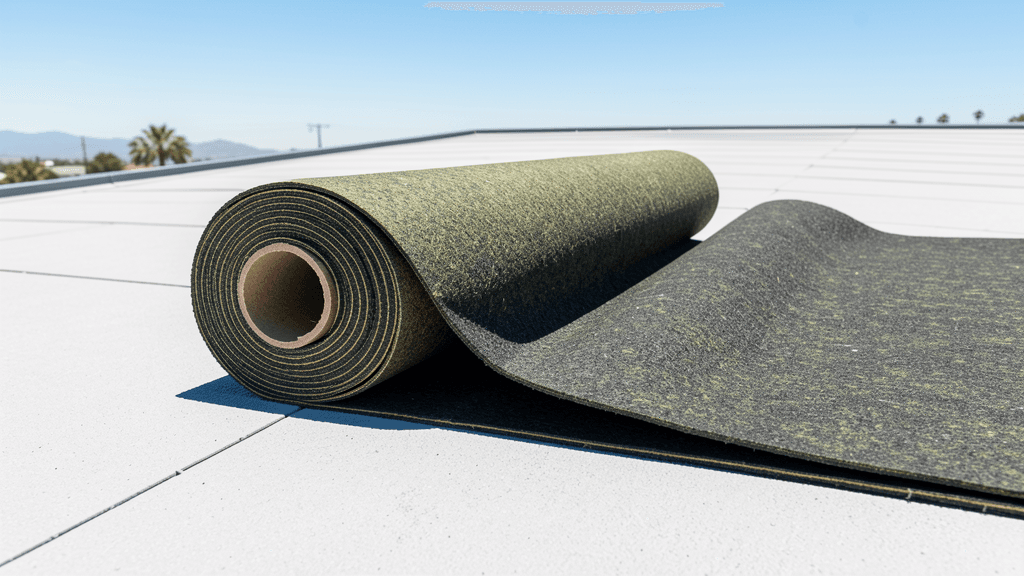
- Asphalt felt is the older, familiar underlayment made from organic or fiberglass mat saturated with asphalt.
- Ice and water shield is a self-adhered membrane that seals around fasteners and is used in high-risk areas, not usually as the only underlayment for the whole roof unless the system is designed that way.
If you are comparing apples to apples, synthetic and felt are usually the main field underlayment choices. Ice and water shield is more of a specialty layer for places where leaks are more likely to start.
Why so many contractors choose synthetic
From what we see with contractors, synthetic underlayment has become the default pick on a lot of roof replacement work. It is lighter to carry, cleaner to roll out, and usually less likely to wrinkle if it sits out in the sun for a bit. That alone makes a difference on busy jobs in Los Angeles, especially when crews are dealing with heat, staging, and wind.
It also tends to hold up better under foot traffic. On steeper roofs, that matters. On larger homes where crews are moving material across the deck all day, that matters too.
Another plus is exposure time. Different brands have different ratings, so you always want to check the manufacturer specs, but many synthetic products can stay exposed longer than felt before the finish roof goes on. If a job gets delayed, that extra breathing room can save a headache.
Not sure which one fits your job? Give us a call or text at 213-747-1718. Se habla español.
Where asphalt felt still makes sense
Asphalt felt is not obsolete. Far from it.
Some contractors still like it because they know exactly how it behaves, and some roof assemblies or customer budgets still point that direction. Felt can be a reasonable option on straightforward jobs where cost matters and the schedule is tight enough that long exposure time is not a concern.
There are tradeoffs, though. Felt is heavier, can absorb moisture, and can wrinkle more easily than synthetic underlayment. In hot weather, especially on exposed decks, those wrinkles can become a nuisance. If it gets damaged before the roof covering is installed, you may be redoing sections.
For homeowners, the main thing to know is that asphalt felt can still do the job, but it is usually chosen because of price, familiarity, or a specific system requirement, not because it is the toughest option on the market.
Where ice and water shield belongs
Ice and water shield gets talked about like it is a universal upgrade. Sometimes it is, sometimes it is not. The better way to think about it is as targeted protection.
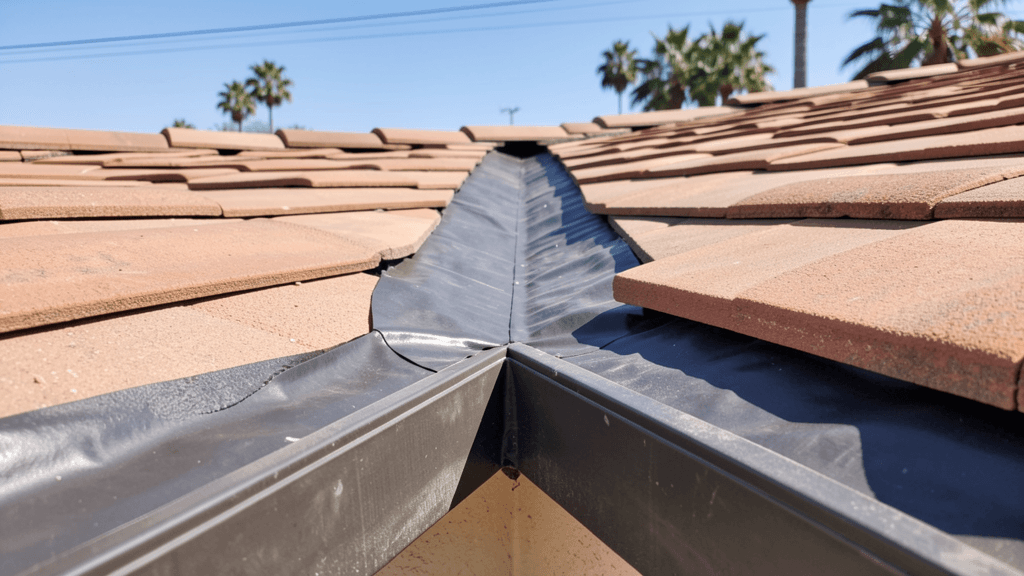
On Southern California roofs, it is commonly used in valleys, around chimneys and skylights, near penetrations, at low-slope transitions, and in other spots where water can back up or move slowly. It is self-adhered, so it sticks directly to the deck and can seal around nails better than standard underlayment in those areas.
Despite the name, this product is not only for snowy climates. In Los Angeles, it can still make a lot of sense where wind-driven rain or detail work creates higher leak risk. During Santa Ana season, roofs can take a beating from debris and uplift. That is one reason contractors often use leak barrier in the most vulnerable sections even if the rest of the field gets synthetic or felt.
If you are shopping for roofing materials and you are unsure how much self-adhered membrane you need, bring in the roof plan or measurements. We will help you sort out field coverage versus detail areas.
How they hold up in Southern California weather
Los Angeles is hard on roofing materials in a different way than colder climates are. The big issues are heat, UV, dry conditions, and wind. We get rain, but we also get long stretches of strong sun and occasional weather that tests how well materials stay put before the roof covering is finished.
Synthetic underlayment usually holds up best during install periods with heat and wind exposure. It is less likely to tear if it gets tugged around on the deck. Asphalt felt can still work fine, but it is generally less forgiving if the job gets delayed or the weather turns messy. Ice and water shield is excellent where you need a watertight seal, but because it is self-adhered and more expensive, you usually use it where it counts most rather than everywhere.
Tile roofs deserve a special note here. A lot of homeowners focus on the tile color and profile, but under the tile is where the waterproofing work happens. On many tile jobs in Southern California, underlayment choice is a bigger long-term decision than people realize.
Steve grew up in this business. His dad Don started L.A. Roofing Materials in 1982, and Steve took over in 2012, so if you want a second opinion on what tends to hold up well in local conditions, we have been seeing these jobs for a long time.
What to look for before you buy
If you are searching for roofing materials near me or roofing supplies in Los Angeles, underlayment should not be a last-minute add-on. Check the full roof system first.
Start with the roof covering. Asphalt shingles, concrete tile, clay tile, metal, and low-slope products all have different underlayment requirements or recommendations. Then look at slope, deck condition, attic ventilation, and any code or manufacturer rules that apply. For some projects in California, cool roof requirements and product approvals also affect what goes into the assembly, especially when tied to the finish material.
For contractors, the practical checklist usually comes down to a few things, compatibility, exposure rating, walkability, roll coverage, fastening method, and what details need self-adhered protection. For homeowners, ask a simpler question, what is going under my new roof, and why was that product chosen for this house?
That question is worth asking every time.
Common buying mistakes
The biggest mistake is treating all underlayment like the same product with different labels. It is not. A cheap roll that does not match the roof type or local conditions can cost more later if the crew has to work around tears, wrinkles, or failed details.
Another mistake is buying based only on the field area and forgetting the accessories. A full underlayment package may also include cap nails or caps, seam tape if required by the system, leak barrier, starter ventilation details, flashings, and sealants. On some jobs, the small items are what slow you down.
And for homeowners, one more thing. If someone only talks to you about the shingle or tile and skips the underlayment completely, ask more questions.
Frequently Asked Questions
What is the best roof underlayment for homes in Los Angeles?
For a lot of homes, synthetic underlayment is the safest starting point because it is tough, lighter to handle, and usually better in heat and wind during installation. But the best choice still depends on the roof type and what the manufacturer calls for.
Is synthetic underlayment better than asphalt felt?
Usually, yes, if you care about tear resistance, lighter rolls, and better jobsite handling. Felt still works and still gets used, but most people choose it for budget or system reasons rather than because it holds up better.
Do I need ice and water shield in Southern California?
Often, yes, in the right spots. Valleys, penetrations, skylights, and low-slope transitions are common places for it. You may not need it across the whole roof, but targeted use can make a lot of sense here.
Can L.A. Roofing Materials help me choose products for my roof replacement?
Yes. We supply roof underlayment, leak barrier, and other roofing materials for contractors and homeowners, and we can help you match products to the job. We do not install roofs, but if you need one, you can ask about our contractor referrals.
If you are lining up a roof replacement and want to compare synthetic underlayment, asphalt felt, or ice and water shield, stop by the yard or call or text 213-747-1718. Se habla español. We will help you sort out the materials and get you pointed in the right direction.