


A new roof can feel like one of the biggest checks you’ll ever write for your house. For a lot of Los Angeles homeowners, the first instinct is to hunt for the lowest bid and hope for the best. That usually backfires. The cheapest roof up front can turn into leaks, repairs, failed inspections, and a full replacement years sooner than it should.
The better approach is simpler. Spend carefully, not blindly. If you’re trying to find affordable roofing in Los Angeles, the goal is to cut waste, avoid bad shortcuts, and put your money into the parts of the job that actually matter. That means understanding what drives cost, where you have room to save, and which “budget” decisions tend to cost more later.
Los Angeles adds its own wrinkles, too. Heat, strong sun, occasional heavy rain, wind exposure in some neighborhoods, and local code requirements all affect what makes sense for your roof. A smart budget roof here is one that matches your home, your area, and how long you plan to stay in the property.
What Actually Makes A Roof Expensive
Most homeowners think roofing cost comes down to shingles or tile. Materials matter, but they are only one part of the total. Labor, tear-off, disposal, roof shape, permit requirements, ventilation work, flashing details, and repairs to damaged wood can all move the number fast.
Here are the biggest cost drivers:
- Roof size and pitch. Bigger roofs need more labor and more material. Steeper roofs take longer and are harder to work on safely.
- Tear-off versus overlay. Removing old roofing and hauling it away costs more, but it is often the right move.
- Material choice. Asphalt shingles usually cost less than tile, slate, copper, or many premium systems.
- Repairs under the roof surface. Rotten decking, bad flashing, and ventilation issues add cost, but skipping them is asking for trouble.
- Access. Tight lots, limited driveway space, and multi-story homes can push labor costs higher.
If you understand these pieces before you collect bids, you’re much less likely to get surprised by a low estimate that balloons later.
Where You Can Save Without Hurting The Roof
Choose The Right Material, Not The Flashiest One
For many LA homes, asphalt shingles remain the most budget-friendly option for full replacement. They are widely available, easier to install than tile or slate, and can perform well when the underlayment, ventilation, and flashing are done right. If you’re comparing one roofing material against another, look at total installed cost, expected lifespan, maintenance, and whether the look fits your house.
Concrete tile can make sense on some homes, especially if you’re replacing an existing tile roof and want to preserve the style. But if your house does not need that look, forcing a higher-cost system into the budget may not be the smartest move. Metal can also be a good long-term value, though the upfront price is usually higher.
If you want a broader look at roofing material options for local homes, start with performance first and aesthetics second. That mindset saves money.
Replace What Needs Replacing, Not Everything By Default
Sometimes a full replacement is necessary. Sometimes it isn’t. If the problem is limited to one section, damaged flashing, a few slipped tiles, or a small leak around a penetration, a repair may buy you meaningful time. The key is getting an honest assessment.
Ask whether the issue is isolated or systemic. If the underlayment is failing across the roof, repairs may be a temporary patch. But if the roof still has life left, targeted repairs can keep cash in your pocket and help you plan for a replacement later instead of rushing into one now.
Time The Job If You Can
Emergency roofing is expensive roofing. If you wait until active leaks spread into insulation, drywall, or framing, the roof job turns into a bigger repair project. If your roof is aging but not yet failing, start getting quotes early. That gives you time to compare options, ask questions, and avoid panic pricing.
Scheduling can matter too. Contractors are often busiest after storms or during peak replacement periods. If your timeline is flexible, you may have more room to compare crews and material options without feeling pressured.
Material Cost Comparisons For Los Angeles Homeowners
Prices move, so exact numbers can change with market conditions, brand, and job complexity. Still, the general cost tiers stay pretty consistent.
Lower Upfront Cost
- Asphalt shingles: Usually the most budget-friendly for many homes. Good value when installed with quality underlayment and proper ventilation.
- Some low-slope modified systems: A practical choice for certain roof shapes, especially over garages, additions, or flat sections.
Middle Range
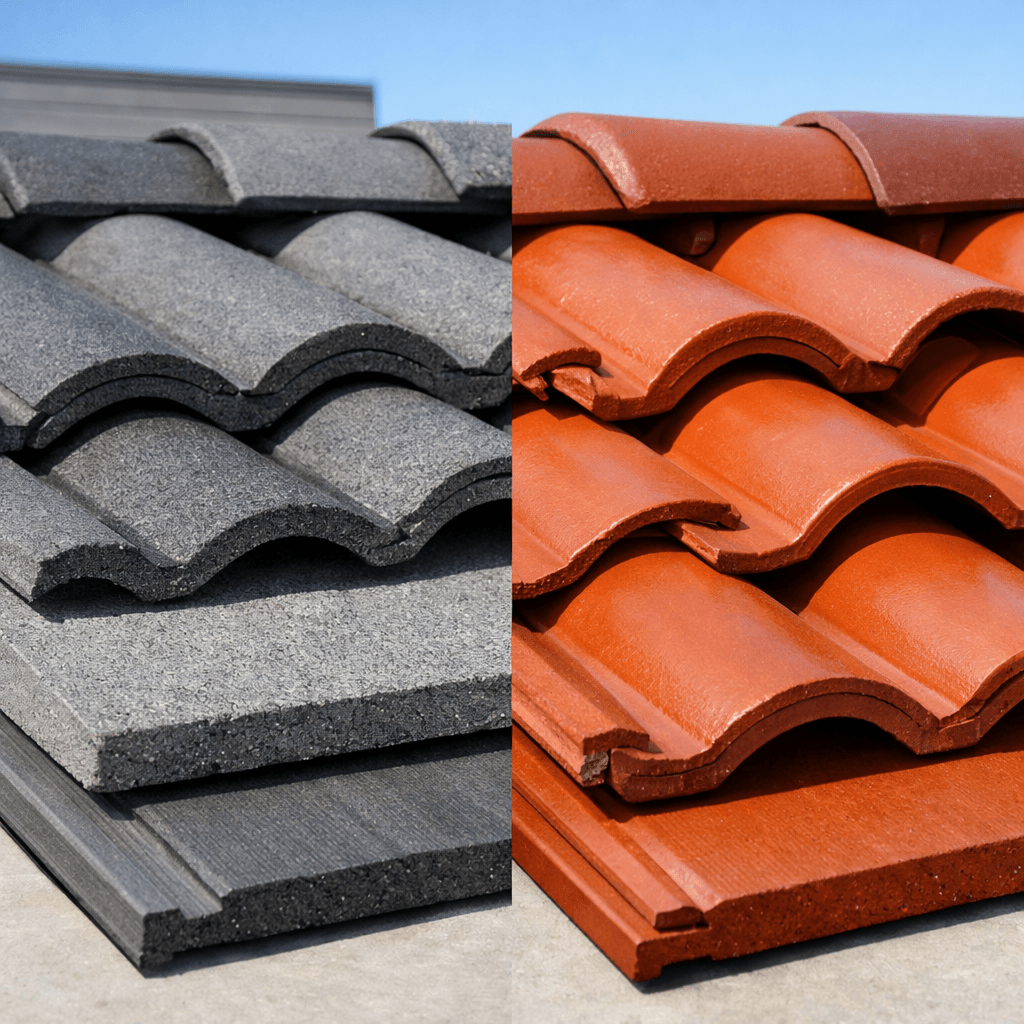
- Concrete tile: Common in Southern California and often less expensive than clay while still giving a similar look.
- Basic metal roofing: Higher upfront cost, but can offer strong longevity depending on the system.
Higher Upfront Cost
- Clay tile: Great curb appeal, but heavier and more expensive.
- Slate and copper: Premium materials with premium pricing.
The cheapest material isn’t always the cheapest roof over time. If you plan to stay in your home for many years, paying a little more for better durability can pencil out. If you’re working with a tight budget and need dependable performance now, a well-installed asphalt system often makes the most financial sense.
How Buying Smarter Can Lower The Total Job Cost
One area homeowners often overlook is where the materials come from. Some contractors source everything themselves and build in markup on top of labor. That can be convenient, and in many cases it’s perfectly reasonable. But if you’re trying to control costs, it helps to understand the supply side.
A local supplier can help you compare product tiers, explain what is actually needed for your roof, and keep you from paying for upgrades that don’t fit the job. For homeowners researching roofing supply los angeles options, it can be worth asking whether your contractor is open to a more transparent material breakdown.
L.A. Roofing Materials has been serving Southern California since 1982, and the Gardner family has been in roofing supply for generations. They carry full lines of roofing and waterproofing products, from asphalt shingles and tile to underlayment, insulation, flashing, ventilation, and fasteners. Because they work with both contractors and walk-in buyers, they can help homeowners understand what they’re paying for without drowning them in jargon.
That does not mean every homeowner should try to piece together a roof order alone. But it does mean you should feel comfortable asking for a line-item estimate, brand names, and product specs. If a bid is vague, that’s a red flag.
Cheap Shortcuts That Usually Cost More Later
This is where a lot of “affordable” jobs go sideways. A roof can look fine from the street and still be full of weak points.
Reusing Bad Flashing
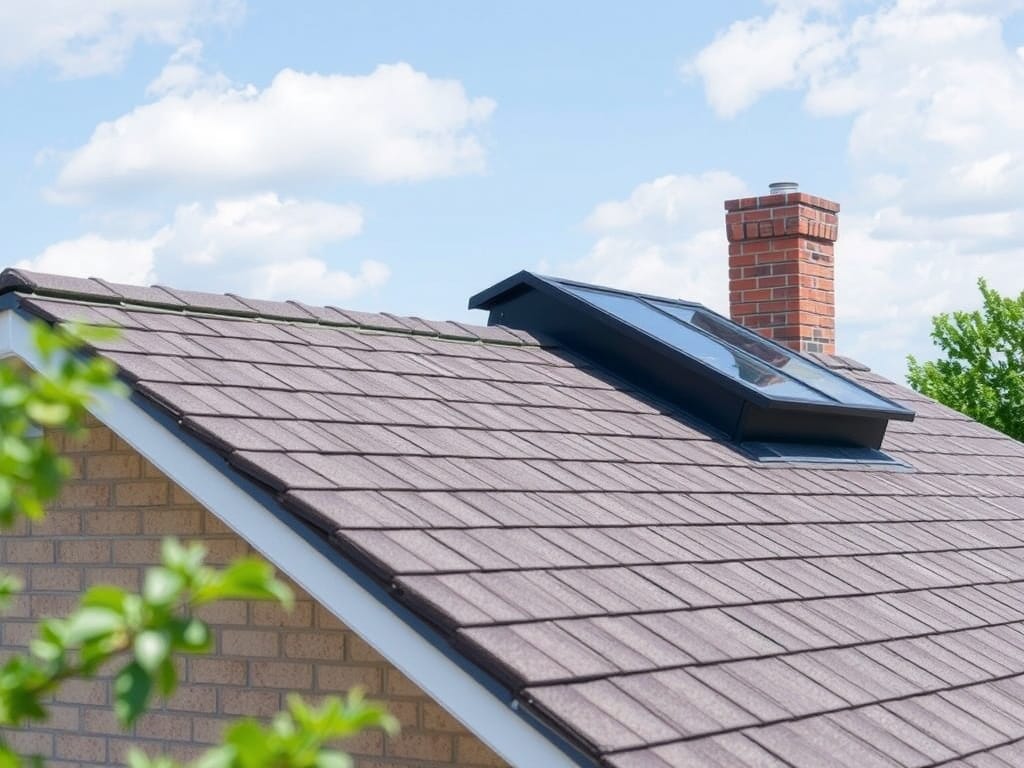
Flashing around chimneys, walls, skylights, and vents is one of the first places leaks show up. Reusing damaged or poorly fitted flashing to save a little money is rarely worth it.
Skipping Underlayment Quality
People focus on the visible roof covering, but underlayment is a big part of what protects the house. In Los Angeles heat, sun exposure, and occasional wind-driven rain, poor underlayment choices can shorten the life of the whole system.
Ignoring Ventilation
Bad attic ventilation can trap heat and moisture, which wears roofing components faster and can affect comfort inside the house. If your roofer never mentions ventilation, ask why.
Overlaying When Tear-Off Is The Better Call
An overlay may reduce labor and disposal costs, but it can also hide damaged decking or moisture problems. Sometimes it is allowed and practical. Sometimes it just delays the real fix.
Hiring The Lowest Bid Without Details
A very low price often means something has been left out. Maybe permits. Maybe disposal. Maybe upgraded underlayment. Maybe replacing rotten wood. If two bids are close and one is dramatically lower, ask exactly why.
Permits, Inspections, And Code Basics
Permits are not the fun part of roofing, but they matter. In Los Angeles, roof work may require permits depending on the scope, and code requirements can affect material selection, installation methods, and energy compliance. Cool roof standards may also come into play for some properties and roof types.
Trying to save money by skipping permits can create bigger problems later, especially if you sell the home or an insurance issue comes up. Ask your contractor these questions:
- Is a permit required for this job?
- Who is pulling it?
- Are inspections included in the price?
- Will the material meet local code requirements for my roof type?
If a contractor brushes that off, keep looking. Any solid la roofing company should be able to explain permit responsibility clearly.
Financing And Payment Tips That Keep Costs Under Control
If you need a full replacement and cash flow is tight, financing may be part of the plan. That is not automatically a bad thing. The trick is making sure the financing terms don’t erase the savings you worked hard to find elsewhere.
A few smart rules help:
- Get the total project price before talking monthly payments.
- Compare interest rates, fees, and payoff terms.
- Ask whether there is a cash price versus financed price.
- Avoid stretching the term so long that you overpay heavily in interest.
Also, be cautious with large upfront deposits. Payment schedules should make sense for the job, the materials ordered, and the work completed.
How To Compare Roofing Quotes The Right Way
Side-by-side quote comparison is one of the best ways to save money without lowering quality. But you need apples-to-apples details.
Ask every bidder for:
- Exact material brand and product line
- Underlayment type
- Flashing scope
- Ventilation work included
- Tear-off and disposal details
- Decking repair pricing
- Permit responsibility
- Labor and material warranties
If you’re researching affordable roofing los angeles options, this is where the real savings show up. A clear, complete quote helps you avoid paying twice for work that should have been done right the first time.
And if you have questions about products, job pricing, or what a contractor is proposing, you can call or text L.A. Roofing Materials at 213-747-1718. Se habla español. Sometimes ten minutes of straight answers can save a homeowner a very expensive mistake.
FAQ
Is It Cheaper To Repair Or Replace A Roof?
Depends on the age of the roof and how widespread the damage is. A localized leak or flashing issue may be worth repairing. If the roof is near the end of its life and problems are showing up in multiple areas, replacement is usually the better financial move.
What Is The Most Budget-Friendly Roofing Option In Los Angeles?
For many homes, asphalt shingles are the lowest-cost choice for a full replacement. They are widely used, easier to install, and can perform well if the rest of the system is built properly.
Should I Buy Materials Myself?
Sometimes, but not always. If you know exactly what you need and your contractor is on board, it can give you more cost control. If you’re not sure, get help from a supplier first so you don’t order the wrong products.
Can I Skip The Permit To Save Money?
That is a risky move. Permit issues can create trouble during resale, insurance claims, or inspections. It is usually a small “saving” with a much bigger downside.
What A Good Budget Roof Really Looks Like
A good budget roof is not the cheapest line on paper. It’s the one that solves the problem, holds up in Los Angeles weather, meets code, and doesn’t leave you paying for avoidable repairs in a year or two.
Spend where the roof earns it. Good underlayment, sound flashing, proper ventilation, and materials that fit the house are worth protecting. Cut the waste instead. Compare quotes carefully, ask where the materials are coming from, and don’t be shy about asking plain questions until the answers make sense.
If you’re sorting through bids and want a second opinion on materials, stop by the yard at 112 W. Jefferson Boulevard or shoot a text to 213-747-1718. We’ll help you figure it out.