


A few bad shingles do not automatically mean the whole roof is done. The real decision is whether the damage is isolated, or whether those failed shingles are just the part you can see first.
In Los Angeles, that call gets tougher because asphalt roofs age under hard sun, UV exposure, thermal movement, seasonal wind, and long dry stretches that can hide problems until the first real rain. A repair that looks simple from the ground can turn into a short-lived patch once the roof is opened up. Before anyone commits to an asphalt shingle repair, it helps to look at the surrounding field, the condition underneath, and the odds of getting a clean material match.
For contractors, this is also a sourcing question. Mid-repair delays happen when the existing shingle profile is discontinued, the color has faded beyond a close match, or the job needs more material than expected once tear-off starts. For owners, the same issue shows up as a simple question: patch this section, or stop spending money on a roof that is already wearing out?

What a repair can realistically solve
Asphalt shingle roof repair makes sense when the damage is limited, the surrounding roof is still in decent shape, and the system still has useful life left. A solid repair can buy time, restore the weather barrier, and help protect the deck from water intrusion, especially when one clear event caused the damage, like a branch strike or a wind-lifted tab.
A patch is usually worth considering when:
- Only a small number of shingles are damaged or missing.
- The surrounding shingles still lie flat and are holding granules reasonably well.
- The roof is relatively younger, or at least not at the end of its service life.
- There is no sign moisture has spread into the deck or underlayment.
- The repair area can be matched closely enough in color and profile for the owner’s expectations.
For property owners, that often means a licensed roofing contractor can replace a few tabs or laminated shingles without opening up large sections. For newer estimators and junior contractors, it means checking whether the roof can still take a clean tie-in without breaking adjacent courses during removal.
How to assess the damaged area
Start with the shingle itself
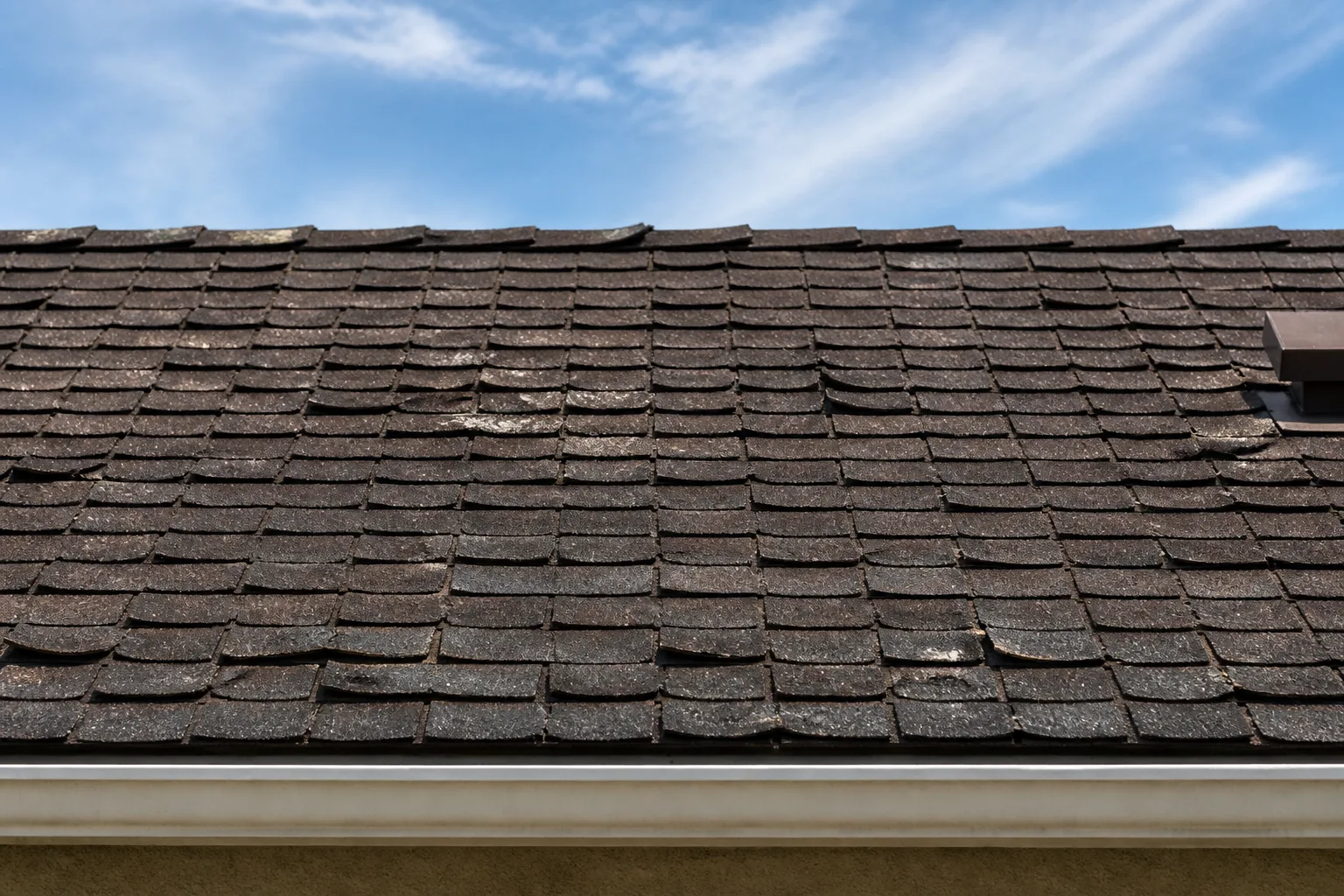
Look at the obvious failure point first. A cracked shingle from foot traffic, thermal movement, or wind uplift may be isolated. Curling edges, torn tabs, exposed fiberglass mat, and bald spots from granule loss point more toward broader aging.
Thermal cycling matters more in Los Angeles than many owners expect. A roof can bake all day and cool off at night. Over time, that movement dries shingles out and makes them brittle, especially on slopes with heavy sun exposure.
Look for a pattern, not a single symptom
One damaged shingle is one thing. Ten damaged shingles spread across different exposures is something else.
If failures are showing up at ridges, valleys, and field areas, you are probably dealing with system-wide wear instead of one repairable incident. Check for:
- Repeated cracking on south- and west-facing slopes
- Curling or clawing across multiple courses
- Shingles that have lost flexibility and break during handling
- Multiple lifted or creased tabs after a wind event
- Granule loss showing up across broad areas, not just one section
Inspect what is underneath
This is where patch-versus-replace decisions usually become clear. Once water gets past the shingles, the underlayment may already be compromised. Soft decking, attic staining, or recurring leaks in the same area usually mean the repair needs to go deeper than the exposed surface.
From what we see at the yard, a lot of disappointing repair jobs happen because the visible shingles get all the attention while the layers below are ignored. If the felt or leak barrier is spent, new shingles on top do not solve the actual problem.
When patching shingles makes sense
There are plenty of cases where asphalt shingle repair is the right call and anything larger would be overkill.
Localized wind damage
Santa Ana winds can lift tabs, crease shingles, or tear off a few pieces along edges and ridges. If the damage is confined and the surrounding roof still seals properly, a targeted repair is often the practical move.
Mechanical damage
Service traffic, dropped tools, satellite work, and branch impact can damage one section without meaning the whole roof is failing. If the surrounding shingles remain sound, a contractor can remove and replace that area.
One leak source that is clearly identified
If the problem traces back to one penetration, one flashing transition, or one small field area, a repair may be enough, especially when the rest of the slope still looks healthy.
Material sourcing matters here. Matching older shingles perfectly is not always possible. Discontinued profiles, color fade, and limited bundle availability can all affect whether a small repair still looks acceptable after it is done. It helps to compare available options with current stock from a supplier that carries residential roofing materials, especially before the crew opens the roof and discovers the closest match is not exact.
Contractors also do better when they order with some waste in mind. A repair that starts as a few shingles can grow once brittle surrounding pieces crack during removal. Having enough matching material on hand helps keep the job moving.
When replacement is the smarter spend
Sometimes the cheaper-looking option costs more because it delays the real fix. A patch stops making sense when the roof is showing wear in several ways at once.
The roof is near the end of its life
If the shingles are brittle, heavily weathered, curling, or losing granules across wide areas, repairs become temporary by nature. You may fix one spot and disturb another while you are there. On an older roof, that happens all the time.
Owners often want to keep repairing just a little more. If leaks are becoming more frequent, missing shingles keep showing up, or the repair list keeps growing, replacement usually makes more sense over time.
Damage is spread across multiple slopes
If cracked, missing, curling, or lifted shingles are showing up on more than one slope, patching turns into symptom-chasing. Strong wind exposure and long-term UV wear make the distinction sharper.
After a storm, scope matters. A few torn shingles near an edge may still be a repair. Creased tabs, loosened seals, and scattered failures across the roof usually point the other way.
The underlayment or deck is compromised
Once moisture has affected the layers below the shingles, a surface repair alone is no longer enough. At that point, a licensed roofing contractor should determine how much of the assembly needs to be opened up and replaced.
L.A. Roofing Materials supplies shingles, underlayment, flashings, sealants, fasteners, and related components, but inspection and labor should be handled by a qualified roofer.
Code and fire requirements may have changed
In parts of Los Angeles and across Southern California, fire exposure and local requirements can affect the roof assembly. Depending on the property location, the roof may need a Class A rated system, and homes near wildland areas may face added rules. Requirements vary by jurisdiction, so confirm with the local building department and your licensed roofing contractor before ordering materials.
If major work is already on the table, replacement may be the better chance to bring the assembly closer to current expectations instead of investing in a patch on an outdated system.
Material sourcing realities that affect the decision
Repair decisions are not made on condition alone. Availability plays a big role.
Older asphalt shingles can be hard to match because manufacturers change lines, profiles get discontinued, and sun fade shifts the roof color over time. Even when the profile is still available, the new bundle may look cleaner or darker than the surrounding field. That does not always kill the repair, but it should be discussed early so the owner knows what to expect.
Bundle availability matters too. Contractors trying to solve a small repair in one trip may find that the nearest match is available only in limited quantities, or that the job needs more squares than expected once removal starts. Brittle shingles break. Adjacent tabs crack. Waste goes up.
That is why a mid-repair material plan matters. Before the crew starts, verify the closest available match, make room for waste, and line up the rest of the accessories at the same time, including underlayment, flashings, sealants, and fasteners. If you need the step-by-step execution side, the sibling post on patching shingle roofs covers that part. This piece is about deciding whether patching is the right move in the first place.
For larger reroof planning, it also helps to review available products and delivery options through Products & Services before the schedule is locked in.
Los Angeles conditions that push repairs over the line
Heat and UV wear
Los Angeles roofs take a beating from sun exposure. UV breaks materials down slowly, then all at once. Shingles that still look mostly fine from the ground can be dry and fragile up close.
Santa Ana winds
High winds do more than blow shingles off. They can loosen seals, crease tabs, and create future leak points. A roof that has been through repeated wind events may need more than spot work, even when the obvious blow-offs are limited.
Heavy rain after long dry periods
Southern California often goes from dry weather to hard rain fast. The first serious storm tends to expose weak spots. If an older shingle roof leaks in several places after that first rain, the pattern usually points to broader failure.
What about cost?
It is reasonable to look at repair first. A small repair usually means fewer materials, less labor, and less tear-off. But material cost is only one part of the decision.
Replacement becomes the smarter spend when:
- You are paying repeatedly for leak calls.
- Matching the old shingles is difficult or impossible.
- The repair area keeps growing once the roof is opened.
- The underlayment, flashing, or deck condition adds hidden scope.
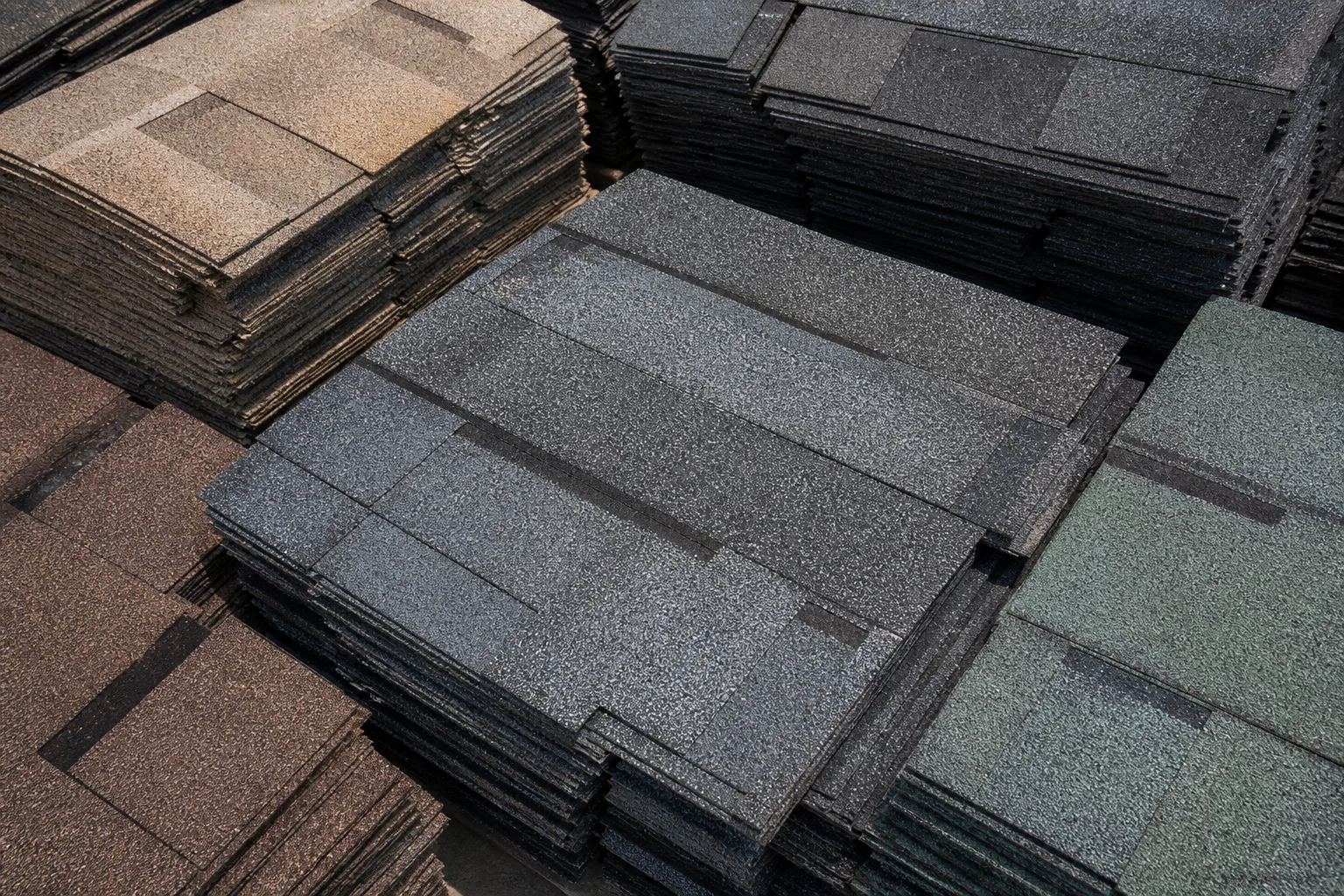
On the supply side, shingle choice affects budget. Basic architectural options, upgraded profiles, accessory components, and ventilation details all change the number. Delivery logistics do too. For contractors and owners planning a reroof, it helps to get the material list lined up before the crew is scheduled, especially when shingles, underlayment, flashings, fasteners, and ventilation all need to land together.
Frequently asked questions
How do you tell whether a repair will hold or just buy a little time?
Look at the surrounding roof, not only the failed spot. If the nearby shingles are still flat, flexible enough to work with, and holding granules reasonably well, a repair may hold up fine. If the roof is brittle, curling, or failing in several areas, the patch is probably temporary.
Can discontinued shingles still be repaired with a close match?
Sometimes, yes. Sometimes the best available option is only close, not exact. Older colors fade, profiles change, and some products leave the market altogether. It is better to set that expectation before the repair starts than after the new shingles are on the roof.
Should contractors order extra material for a small shingle repair?
Usually, that is the safer move. Removal can damage adjacent brittle shingles, and waste can climb fast on older roofs. Ordering a little extra helps avoid delays when the original scope grows once the area is opened.
Can one missing or cracked shingle really cause a leak?
Yes. Sometimes it leaks right away, sometimes it does not. Wind-driven rain can find a small opening fast, especially on exposed slopes or near transitions.
Should property owners inspect the roof themselves?
Ground-level photos and attic observations are useful. Walking an asphalt shingle roof is different. Older shingles can crack under foot, and steep slopes are a safety issue. For anything beyond a basic visual check, call a licensed roofing contractor.
Getting the next step right
Start with a clear roof assessment from a licensed roofing contractor, then line up the material match before the job opens up. Small repairs stay small, and replacement jobs avoid unnecessary delays, when the material plan is settled early.
You can pick up materials by will-call at 112 W. Jefferson Blvd, Los Angeles, CA 90007, or arrange custom jobsite delivery through the fleet. L.A. Roofing Materials supplies Southern California contractors and property owners with shingles, underlayment, flashing, sealants, and related components. Call or text 213-747-1718, Se habla español, or email info@laroofingmaterials.com. Hours are Mon-Fri 6am-4pm and Sat 6:30am-12pm. If you want to reach the team online, use the contact page.