


Picking the right supplier can make a roofing job smoother, faster, and a lot less expensive in the long run. Pick the wrong one, and you may end up chasing down missing materials, waiting on late deliveries, or getting advice that does not match the roof you are actually building. In Los Angeles, where projects range from small residential repairs to large commercial tear-offs, the store you buy from matters more than people think.
This guide is for homeowners, contractors, builders, and property managers who want a practical way to compare suppliers. If you have ever searched for roofing supplies near me and gotten a long list of options that all look the same, here is how to tell which one is actually worth your time.
Why Your Supplier Choice Matters
A roof is a system, not a pile of parts. Shingles, tile, underlayment, flashing, insulation, fasteners, coatings, ventilation, and waterproofing products all need to work together. A good supplier helps you get the right combination. A weak one just sells whatever is on the shelf.
That difference shows up quickly on the jobsite. Good suppliers help with product selection, staging, special orders, and delivery timing. They can also flag issues before they become expensive mistakes, especially on projects dealing with Southern California heat, wind exposure, cool roof requirements, or specific waterproofing details.
For homeowners, the benefit is peace of mind. For contractors, it is tighter scheduling, fewer callbacks, and better margins.
Start With Product Range, Not Just Price
Price matters. Everybody knows that. But the cheapest quote is not always the best buy if the supplier cannot provide the full system you need or has to scramble for half the order.
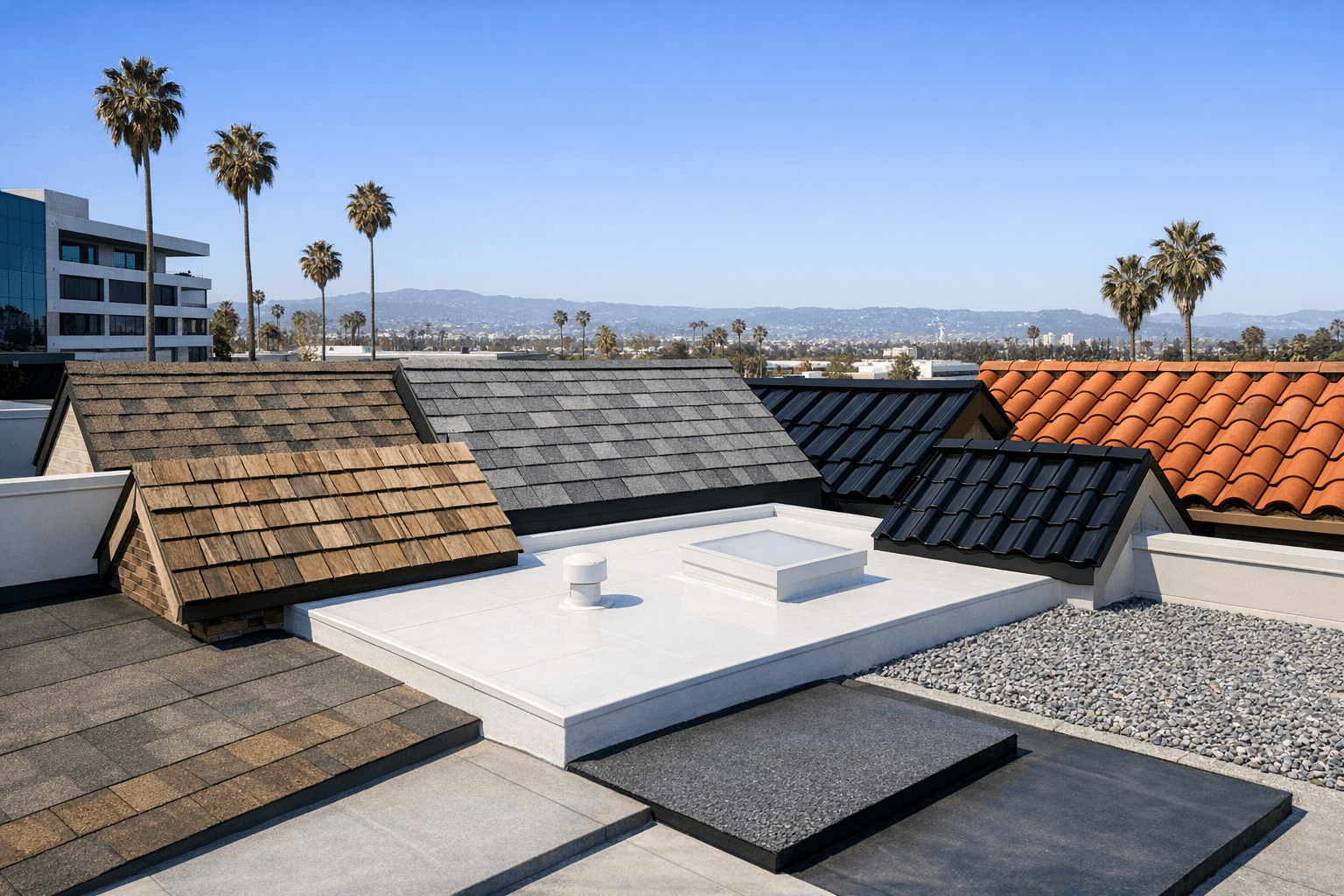
A dependable roofing supply store should carry a broad mix of materials for both residential and commercial work. In Los Angeles, that usually means access to:
- Asphalt shingles
- Clay and concrete tile
- Composite roofing
- Metal and copper roofing
- Slate materials
- Wood shingles and shakes
- Built-up and modified roofing
- Self-adhered systems
- Felts, leak barriers, and roof coatings
- Flashing, ventilation, skylights, gutters, and fasteners
If a supplier only covers the basics, that may be fine for a simple repair. For larger jobs, you want one source that can handle the field materials and the accessories. That cuts down on delays and finger-pointing between vendors.
L.A. Roofing Materials, for example, carries full lines of roofing and waterproofing products for Southern California jobs, including materials for residential and commercial projects. If something is not stocked, they can source it. That kind of flexibility matters when plans change, and they usually do.
Look For Real Inventory Depth
Any yard can say they carry roofing materials. The better question is whether they actually have the products you need in stock, in the quantity you need, when you need them.
Ask direct questions:
- Do you stock the color and profile I need, or is it special order?
- How quickly can you fill a full roof package?
- Do you carry matching accessories?
- What happens if I need extra material mid-job?
- Can you source less common products without a long wait?
This is one of the biggest differences between a solid local supplier and a generic big-box experience. A true roofing supply los angeles partner understands local demand patterns, common roof types, and what crews actually ask for week after week.
From what we see at the yard, inventory depth is often what separates a smooth project from a frustrating one. It is not enough to have one pallet of a popular product. You need a supplier who can support active jobs across the region without leaving you stuck.
Pay Attention To Delivery And Jobsite Support
Delivery is where a lot of suppliers either prove themselves or fall apart. In Los Angeles traffic, timing is everything. A late truck can throw off labor, crane scheduling, inspections, and homeowner expectations.
What Good Delivery Service Looks Like
A strong supplier should be able to explain how they handle:
- On-time delivery windows
- Jobsite staging
- Roof loading or stocking coordination
- Split deliveries for phased work
- Will-call pickup for rush needs
L.A. Roofing Materials has built a reputation around custom jobsite delivery and stocking, with will-call service for both contractors and walk-in buyers. That matters because not every customer works the same way. Some crews need a staged commercial drop at dawn. Some homeowners need help loading a smaller order without waiting in line or pushing a cart around a warehouse.
If the supplier cannot talk clearly about delivery logistics, keep looking.
Contractor Pricing Should Be Competitive And Clear
Contractors already know this, but homeowners should know it too: supplier pricing is not just about the number on one invoice. It affects bid accuracy, waste, substitutions, and whether your crew can stay on schedule.
A good roofing supply company should offer pricing that makes sense for the scope of the job and the type of customer. Contractors often need bid support and consistent pricing across repeat purchases. Homeowners usually need straightforward guidance so they are not comparing apples to oranges.
L.A. Roofing Materials is part of NEMEON, a member-owned purchasing cooperative that helps independent distributors stay competitive with national chains. That buying power lets them meet or beat many chain prices while staying family-owned and local. For contractors, that can be a real advantage on competitive bids. For homeowners, it means local service does not have to come with a premium.
Expert Staff Should Be Able To Answer Specific Questions
There is a big difference between someone who can ring up an order and someone who can help you avoid a problem. In roofing, you want the second one.
Ask a few real questions and pay attention to the answers:
- What underlayment do you recommend for this roof type?
- Do I need a leak barrier in this area?
- What flashing setup works best here?
- Will this product meet local code requirements?
- What accessories are commonly missed on this system?
If the response is vague or rushed, that tells you something. The best suppliers help with product selection, job planning, installation questions, and even profitability on contractor jobs.
This is one place where family-owned businesses often stand out. Steve Gardner grew up in the trade, joined L.A. Roofing Materials in 1991, and took over ownership in 2012. His father Don had been in roofing supply since the 1950s and co-founded the company with Jeanne Gardner in 1982. That kind of long-view experience tends to show up in everyday conversations at the counter.
If you are not sure which system fits your project, call or text 213-747-1718. Se habla español. A quick conversation can save a lot of expensive guessing.

Check Whether They Serve Both Contractors And Retail Buyers Well
Some suppliers are built almost entirely around large contractor accounts. Others lean toward retail traffic and do not really understand production roofing. The best ones can handle both without making either group feel like an afterthought.
If you are a homeowner or small builder, ask yourself whether the staff is willing to explain the differences between products in plain language. If you are a contractor, look for speed, consistency, and people who understand how jobs actually move.
A good roof supplies store should make it easy to get in, get answers, and get materials without wasting half the morning.
Returns, Special Orders, And Problem Handling Matter More Than You Think
Every roofing job looks neat on paper. Then the tear-off reveals damaged decking, the city asks for a different detail, or the owner changes a color. That is normal. What matters is how your supplier responds.
Before you buy, ask about:
- Return policy for unopened materials
- Restocking fees on standard products
- Rules for special-order items
- Lead times for replacements
- Who to call if a shipment arrives short or damaged
You do not need a perfect policy. You need a clear one. Ambiguity is what creates arguments later.
Also ask how the supplier handles oddball requests. A strong yard will either have the item, know where to get it, or tell you honestly if it is a bad fit. That kind of straight answer is worth a lot.
Local Knowledge Counts In Los Angeles
Roofing in Los Angeles comes with its own set of realities. Heat exposure is intense. UV wear is constant. Some areas deal with wind more than people expect. Energy rules and cool roof considerations can shape material choices. And architectural styles vary a lot from neighborhood to neighborhood.
That is why local knowledge matters. If you are comparing roof suppliers near me, pay attention to whether they understand Southern California conditions or are just reading from a catalog.
L.A. Roofing Materials serves customers across Southern California and has operated from the same Los Angeles location for decades. The City of Los Angeles recognized the business as a Legacy Business, which says a lot about staying power. A supplier rooted in the area is more likely to understand what products move well here and what details tend to cause trouble.
Signs You Have Found The Right Supplier
Sometimes the best way to judge a supplier is by the little things. A good one usually checks several boxes at once:
- They answer the phone and give straight answers.
- They carry a broad selection and can source hard-to-find items.
- They know the difference between a homeowner question and a contractor question.
- They offer delivery that supports real jobsites.
- They explain pricing clearly.
- They help you avoid ordering the wrong material.
- They treat smaller buyers with the same respect as larger accounts.
If a supplier feels disorganized before you place the order, it usually gets worse after the invoice is paid.
FAQ
Should I choose a local supplier over a national chain?
Usually, yes, if the local yard has strong inventory and competitive pricing. Local suppliers often offer better service, better jobsite coordination, and advice that fits Los Angeles conditions. Chains can work for basic purchases, but they are not always built for roofing-specific support.
What should homeowners ask before buying materials?
Ask whether the supplier carries the full system, what lead times look like, whether matching accessories are in stock, and what the return policy is. Also ask if they can explain the difference between product options without assuming you already know the trade.
Can a supplier help with takeoffs or job pricing?
Many can, especially those that work closely with contractors every day. L.A. Roofing Materials helps customers with product questions, job pricing, planning, and installation guidance.
Does it matter if the supplier offers text support?
It can matter a lot. Jobs move fast. Being able to text a question, confirm availability, or check on an order is often quicker than email and easier than sitting on hold.
What To Do Before You Place Your First Order
Call the supplier. Ask a few specific questions. See how they handle them. If you are nearby, stop by the yard and look around. A busy, organized operation tells you a lot. So does the way the staff talks to people at the counter.
For many buyers, the best fit is a supplier that combines broad product lines, fair contractor pricing, real delivery support, and people who know roofing well enough to catch problems early. That is why so many contractors and property owners in Southern California keep coming back to L.A. Roofing Materials. Family-owned since day one, still independent, and built around service that makes the job easier.
If you are sorting out materials for an upcoming project, give the yard a call at 213-747-1718 or stop by 112 W. Jefferson Boulevard in Los Angeles. Sometimes ten minutes with the right supplier is all it takes to figure out the next step.