


Key Takeaways
- Clay tile usually gives you a more traditional look and longer color stability, while concrete tile often gives you a lower upfront material cost.
- Both clay and concrete tile can hold up well in Los Angeles weather, but the right choice depends on your budget, roof structure, and design goals.
- Concrete roof tiles are generally heavier, and both options need the roof structure checked before you buy materials.
- Clay tile roofing in Los Angeles is a common pick for Spanish, Mediterranean, and historic-style homes, while concrete works well for many styles and budgets.
- If you are comparing tile roofing materials, the underlayment, flashing, and ventilation matter almost as much as the tile itself.
If you are trying to choose between clay and concrete tile for your Los Angeles home, the short answer is this: clay usually wins on classic appearance and long-term color retention, while concrete usually wins on price and flexibility. Both can be good fits for Southern California, but they are not interchangeable on every house.
The best choice comes down to five things: budget, the look you want, how much weight your roof structure can handle, your neighborhood or HOA expectations, and what kind of material package makes sense for the job. If you are comparing tile roofing materials and want to see what is actually available, it helps to look at real profiles and colors in person instead of deciding from photos alone.
Here in Los Angeles, tile is popular for a reason. It fits the architecture, handles sun well, and looks right on a lot of homes. But there are tradeoffs, and homeowners usually feel them most in the budget and the final curb appeal.
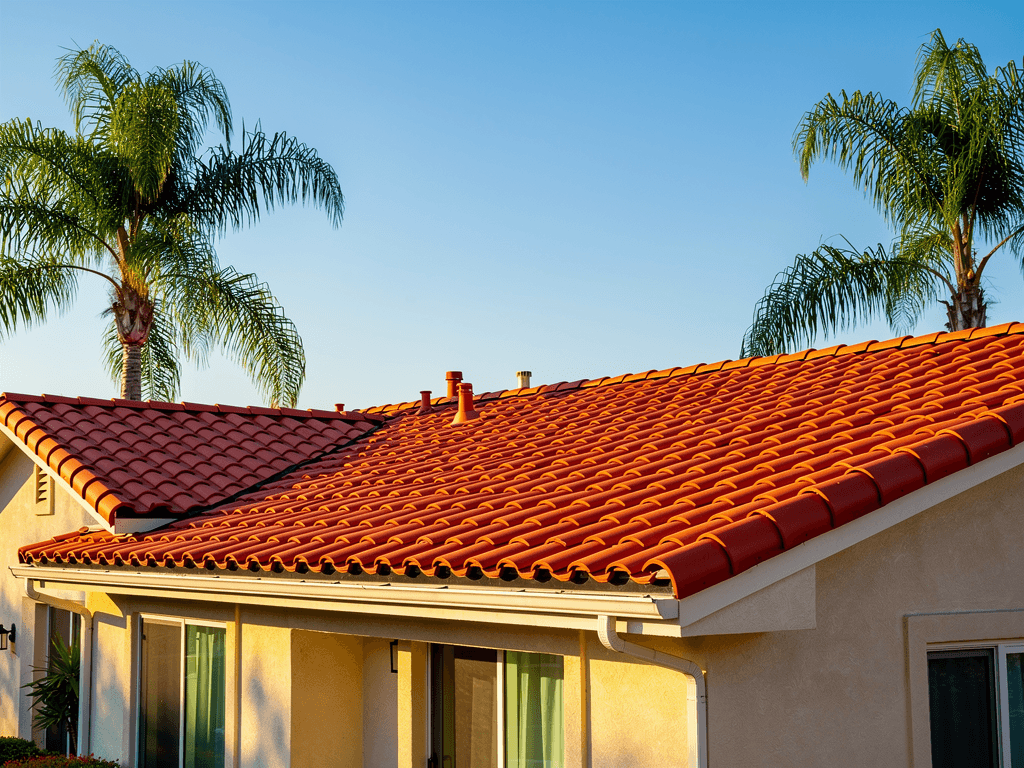
What is the real difference?
Clay tile is made from natural clay that is shaped and fired. Concrete tile is made from a cement and sand mixture, then formed and cured. That difference affects appearance, weight, and cost.
Clay tends to have a more old-world look. A lot of homeowners who want true Spanish or Mediterranean style lean that way. The color also has a depth to it that many people notice right away, especially on barrel tile profiles.
Concrete has come a long way.
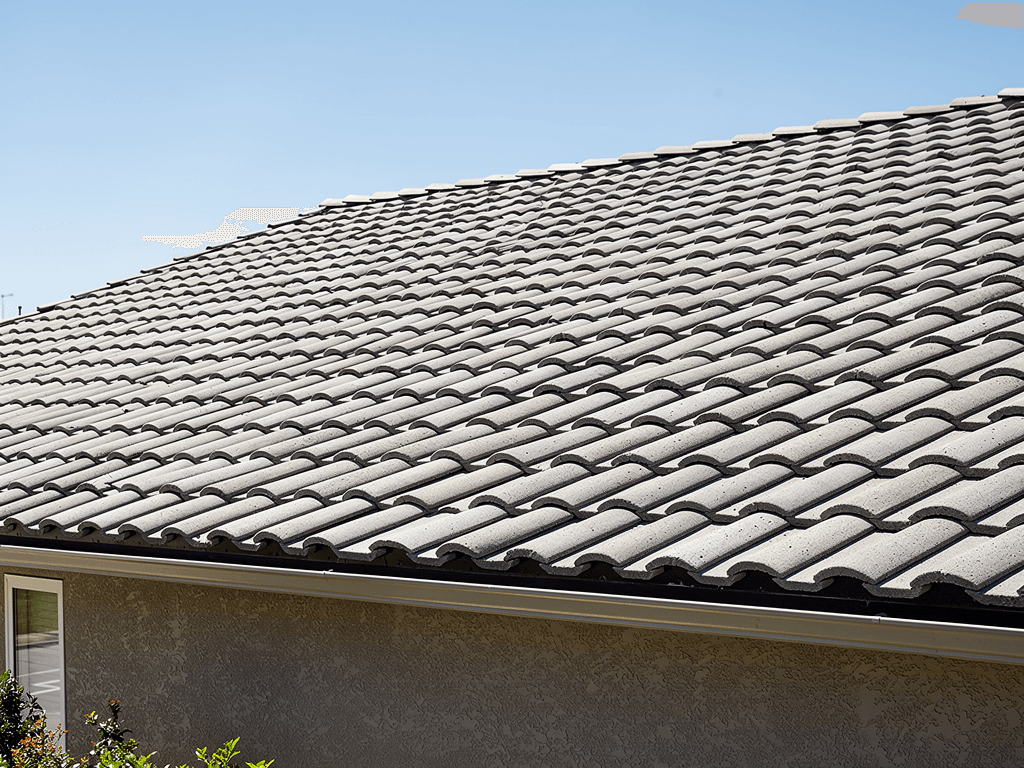
It can mimic several tile styles, including profiles that resemble traditional clay. If you want the tile look but need to watch material cost more closely, concrete roof tiles are often where the conversation starts.
How cost usually breaks down
For most homeowners, cost is the first sorting tool. In general, concrete tile costs less than clay tile on the material side. Exact pricing depends on profile, color, brand, availability, and how much accessory material the roof needs, but concrete is often the more budget-friendly option.
Clay usually costs more because of the manufacturing process and the look people are paying for. Some homeowners are happy to spend more for that authentic appearance. Others would rather put the savings into upgraded underlayment, better flashing metals, or other parts of the roof assembly.
That is a smart way to think about it, honestly. Tile gets the attention, but the full system matters.
If you are pricing out residential roofing materials for a tile roof, make sure the quote includes the pieces around the tile too. Underlayment, battens if needed, ridge material, flashing, fasteners, and ventilation all affect the final number.
Which one looks better?
This part is personal, but there are patterns.
Clay tile roofing in Los Angeles is usually the favorite for homeowners who want a classic Southern California look. On Spanish Colonial, Mediterranean, and some high-end custom homes, clay often feels like the natural fit. It has a cleaner, more traditional character that is hard to fake.
Concrete tile gives you more room to balance appearance and budget. It works well on many tract homes, remodels, and homes where you want a tile roof without stretching the material budget too far. It also comes in a wide range of colors and profiles, so you are not boxed into one style.
What we have seen is pretty simple. If your house has strong architectural character and you care a lot about authenticity, clay often feels worth it. If you want a good-looking tile roof and need a practical number, concrete is usually the better place to start.
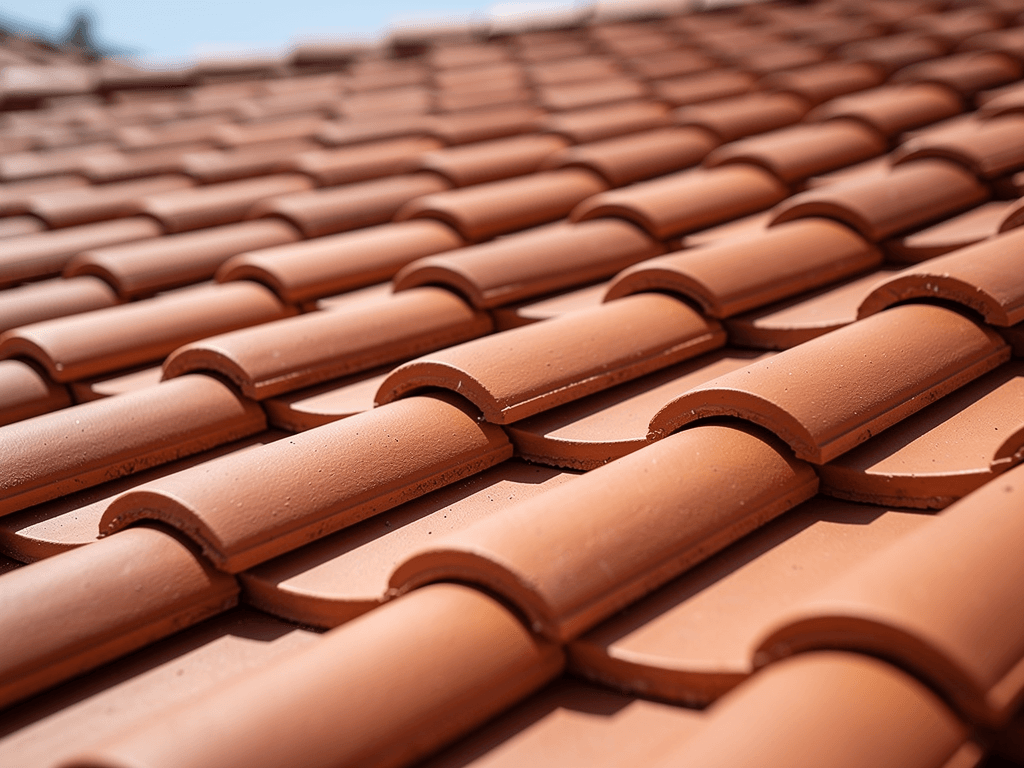
How they hold up in Southern California weather
Los Angeles weather is easier on roofing than places with freeze-thaw cycles and heavy snow, but it still puts materials through a lot. Strong UV exposure, dry heat, occasional heavy rain, and Santa Ana wind events all matter.
Both clay and concrete tile can do well here when the roof system is planned correctly. Tile itself is durable, but it is not the whole story. The underlayment below it, the way the edges and ridges are detailed, and the ventilation setup all play a big part in how the roof holds up over time.
Clay has a reputation for lasting a long time, and in our experience that reputation is fair. It tends to keep its appearance well, especially in sunny climates. Concrete also holds up well in Southern California, though weathering can show differently over time depending on the product and color.
If you are near the coast, salt air can affect metal accessories, so flashing and fastener choices deserve attention. If you are in a wind-prone area, fastening requirements matter. Local code and manufacturer specs should drive those choices.
Weight matters more than most homeowners think
This is one of the biggest practical issues.
Both clay and concrete tile are heavy compared with many other roofing materials, and concrete is often heavier. That does not mean your home cannot use tile. It means your contractor or engineer needs to confirm the structure is suitable for the specific product being considered.
If you are replacing one tile roof with another similar tile profile, that may be fairly straightforward. If you are switching from asphalt shingles to tile, the weight question becomes a lot more important. A lighter-looking tile does not always mean a light roof.
Before ordering materials, get clarity on the roof structure. That can save a lot of trouble later.
What about title 24 and energy rules?
In Los Angeles and throughout California, energy code can affect roofing choices. Title 24 cool roof requirements do not apply the same way to every project, because roof slope, product type, and whether it is new construction or reroofing can change the standard.
Tile can be part of a code-compliant roof assembly, but the exact product and assembly details matter. Some tile systems and colors may help meet project requirements better than others. If you are not sure what your job calls for, give us a call or text at 213-747-1718. Se habla español.
That is especially true if you are trying to compare products quickly and keep a permit package moving.
When clay makes more sense
Clay is often the better choice when the look of the home is driving the decision. If your house has Spanish or Mediterranean architecture, or if you are trying to match existing tile on an older home, clay may be the obvious pick.
It also makes sense for homeowners who plan to stay put and want the more traditional material. Some people simply prefer the texture and color character of fired clay. Fair enough. You see it, and you know what it is.
And in a city with so many classic tile-roof homes, that visual difference can matter.
When concrete makes more sense
Concrete usually makes more sense when budget is tighter, when you want more profile and color options at a lower price point, or when you are trying to get the tile look without going all the way into clay pricing.
It is also a common choice for homeowners replacing an existing concrete tile roof who want a similar appearance and a simpler material match. There are a lot of homes across Southern California where concrete roof tiles are the practical answer and the right visual fit.
If you are searching for roofing materials near you or looking for roofing supplies in Los Angeles, seeing the profiles side by side helps a lot more than reading a spec sheet online. We have been doing this since 1982, and sometimes the fastest way to narrow it down is just to compare the actual tile in person.
Do not choose tile by the field tile alone
This is where homeowners sometimes get tripped up. They compare the main tile and stop there.
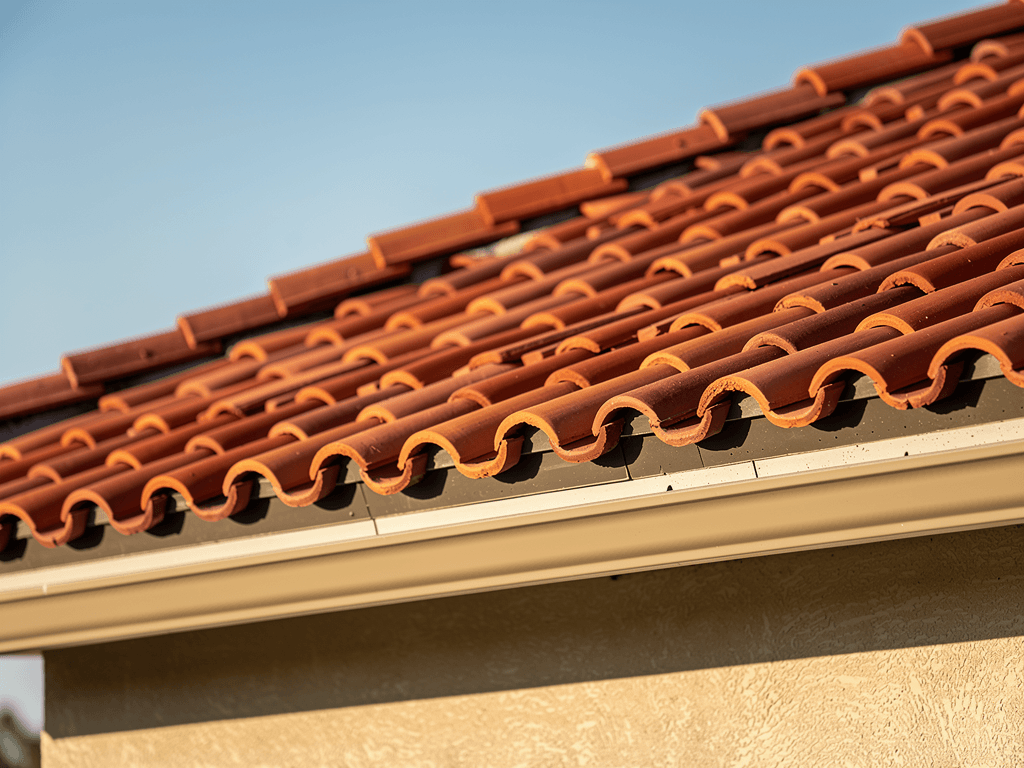
But a tile roof package also includes the parts that make the system work properly, such as underlayment, hips and ridges, bird stop, flashing, and ventilation pieces. On some jobs, availability of matching accessories can steer the decision as much as the field tile itself. A good-looking tile that is hard to complete with the right matching parts can slow a project down.
That is one reason many contractors and homeowners come to a supplier instead of trying to piece it together from random listings online. If you want to review options for roofing supplies in Los Angeles, we can help you sort through the full material list for the job.
Frequently Asked Questions
Is clay tile better than concrete tile in Los Angeles?
It depends on what matters most to you. Clay is often preferred for traditional appearance and long-term color character, while concrete is often preferred for lower upfront material cost.
Are concrete roof tiles good for Southern California weather?
Yes, in many cases they are. Concrete roof tiles can hold up well in Los Angeles sun, heat, and normal rain conditions when paired with the right underlayment and accessories.
Is clay tile more expensive than concrete tile?
Usually, yes. Clay tile often costs more on the material side, though exact pricing depends on the tile profile, brand, color, and the rest of the roof package.
Can any house in Los Angeles use tile roofing materials?
No. Tile is heavy, so the roof structure needs to be checked before materials are selected. That is especially important if you are switching from a lighter roof system to tile.
If you are still weighing clay against concrete, stop by the yard at 112 W. Jefferson Blvd, Los Angeles, CA 90007, or call or text 213-747-1718. We can help you compare tile roofing materials, show you available profiles, and refer you to a roofing installer if you need one.