


Key Takeaways
- Most asphalt shingle roofs in Southern California last around 20 to 30 years, but condition and installation quality matter just as much as age.
- Los Angeles roofs face unique stress from intense UV exposure, Santa Ana winds, and heat, which means they can age faster than homeowners expect.
- Tile roofs can last several decades, but the underlayment usually wears out sooner and needs attention before the tile itself does.
- Warning signs like curling shingles, granule loss, recurring leaks, or soft spots in the deck mean your roof may need replacement sooner than its age suggests.
- Planning a replacement before the roof fully fails gives you more control over materials, scheduling, and budget compared to waiting for a crisis.
A lot of Los Angeles homeowners ask the same basic question once their roof starts showing age: do I need to replace it now, or can I get a few more years out of it? The honest answer is that there is no single timeline for every home. In Los Angeles, a roof’s life depends on the material, the quality of the installation, how much sun and heat it takes, and whether small problems were handled early or ignored until they spread.
That said, there are some useful ranges. Many asphalt shingle roofs in Southern California last around 20 to 30 years. Tile roofs can last much longer, often several decades, but the underlayment beneath the tile may need attention sooner. Flat and low-slope systems vary a lot depending on the product and maintenance. If you own a home in LA, the better question is usually not just “how old is my roof?” but “how is my roof holding up in LA conditions?”
Los Angeles roofs age differently than roofs in other places
People sometimes assume roofs in LA last forever because we do not deal with heavy snow or long freeze-thaw cycles. That helps, sure. But Southern California has its own kind of wear.
Strong UV exposure is a big one. Constant sun breaks down roofing materials over time, especially lower-grade products or roofs with poor attic ventilation. Heat also speeds up aging. Add in Santa Ana winds, occasional heavy rain, and debris buildup in valleys and drains, and you start to see why even a roof that “looks fine from the street” may be getting close to the end of its service life.
What we see at the yard is that homeowners often wait until there is an active leak before they think seriously about replacement. By then, the roof deck, insulation, or interior finishes may already be taking damage. A roof usually gives warning signs before it gets that far.

Typical Replacement Timelines by Roofing Material
Asphalt shingles
Asphalt shingles are one of the most common residential roofing materials because they are affordable and widely available. In Los Angeles, a shingle roof often lasts 20 to 30 years, though cheaper products or poor installation can shorten that window. A well-installed roof with decent ventilation and regular repairs may stay serviceable longer.
If your shingles are curling, cracking, losing granules, or blowing off during wind events, replacement may be getting close. Sometimes homeowners ask about metal roof vs shingles when they are deciding whether to replace with the same material or upgrade to something longer lasting.
Clay and concrete tile
Tile roofs can last a very long time in LA, often 40 years or much more, especially the tile itself. But that does not mean the whole roof system is good for life. Underlayment, flashing, and other components usually wear out before the tile does. It is common for a tile roof to need a lift-and-relay project, where the existing tile is removed, the underlayment is replaced, and the tile is reset if it is still in good shape.
For many older Los Angeles homes, especially Spanish, Mediterranean, and some mid-century properties, this is a big factor. The roof may not need a total style change, but it may need a major refresh under the surface.
Flat and low-slope roofs
Flat roofs are common on parts of LA homes, additions, garages, and modern designs. Their life span depends heavily on the system used, whether that is built-up roofing, modified bitumen, coatings, or a self-adhered system. Some can last around 15 to 25 years, sometimes longer with good maintenance.
Flat roofs are less forgiving when drainage is poor. Ponding water, cracked seams, and neglected penetrations around vents or skylights can shorten their life fast.
Metal roofing
Metal roofs can last a long time, often several decades, and they handle sun well when the right product is selected. They are still less common on older LA homes than shingles or tile, but more homeowners are looking at them for durability and energy performance. The up-front cost is usually higher, so the decision often comes down to budget, appearance, and how long you plan to stay in the home.
Signs Your Roof May Need Replacement Sooner Than Expected
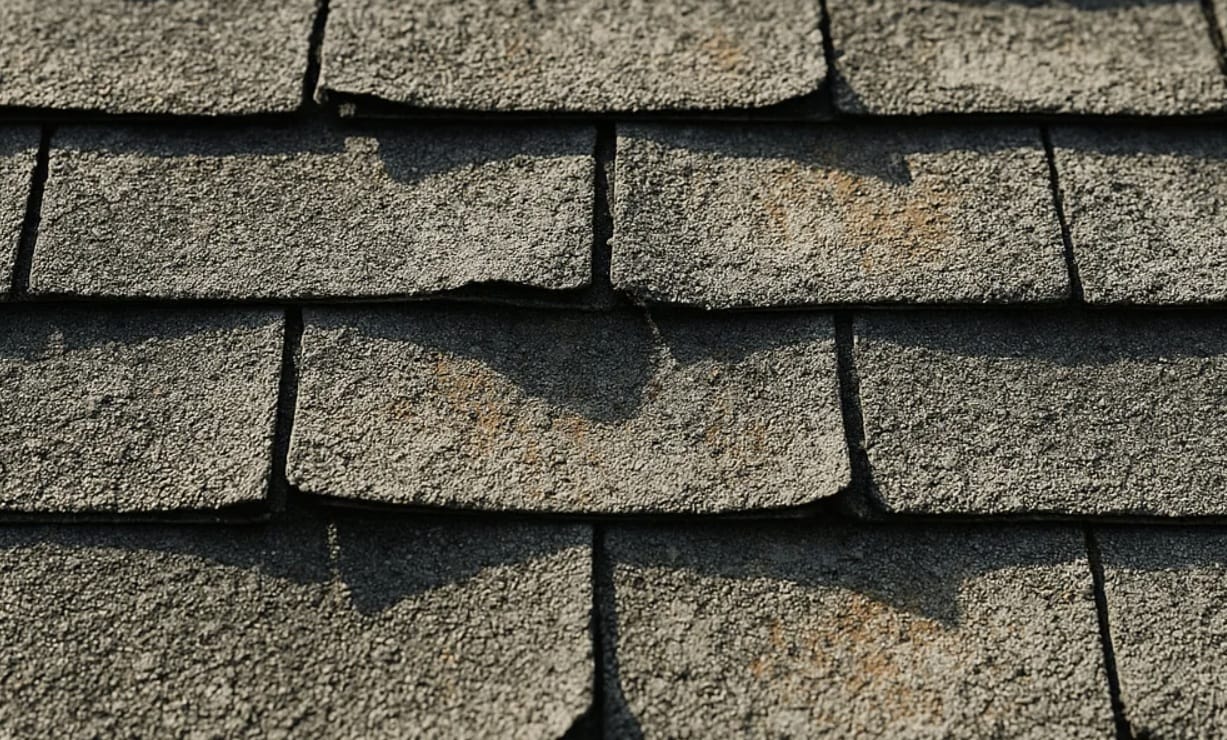
Age matters, but condition matters more. A 17-year-old roof that was installed badly may need replacement before a 25-year-old roof that was done right.
- Repeated leaks in different areas
- Missing, brittle, or curling shingles
- Cracked tile, slipping tile, or worn underlayment
- Sagging areas or soft spots in the roof deck
- Heavy granule loss in gutters or downspouts
- Flashing failures around chimneys, skylights, and vents
- Mold, stains, or moisture showing up in the attic
One isolated issue does not always mean full replacement. Sometimes patching a shingle roof makes sense if the damage is limited and the rest of the system still has life left. But if repairs keep stacking up, replacement usually becomes the smarter financial move.
How Often Should Homeowners Have the Roof Checked?
You do not need to climb up there every month. But you should have your roof looked at after major wind or rain events, and more routinely once it gets into the second half of its expected life.
A good rule for LA homeowners is to do a visual check from the ground a couple of times a year and schedule a professional inspection if you notice anything unusual. If your roof is over 15 years old, paying closer attention is wise. If it is over 20 years old and made of asphalt shingles, you should definitely know what shape it is in.
Tile roofs deserve regular checks too, especially after work by satellite installers, solar crews, HVAC technicians, or anyone else walking on the roof. A lot of damage starts with broken tile and disturbed flashings, not old age alone.
Repair or Replace? How Homeowners Usually Decide
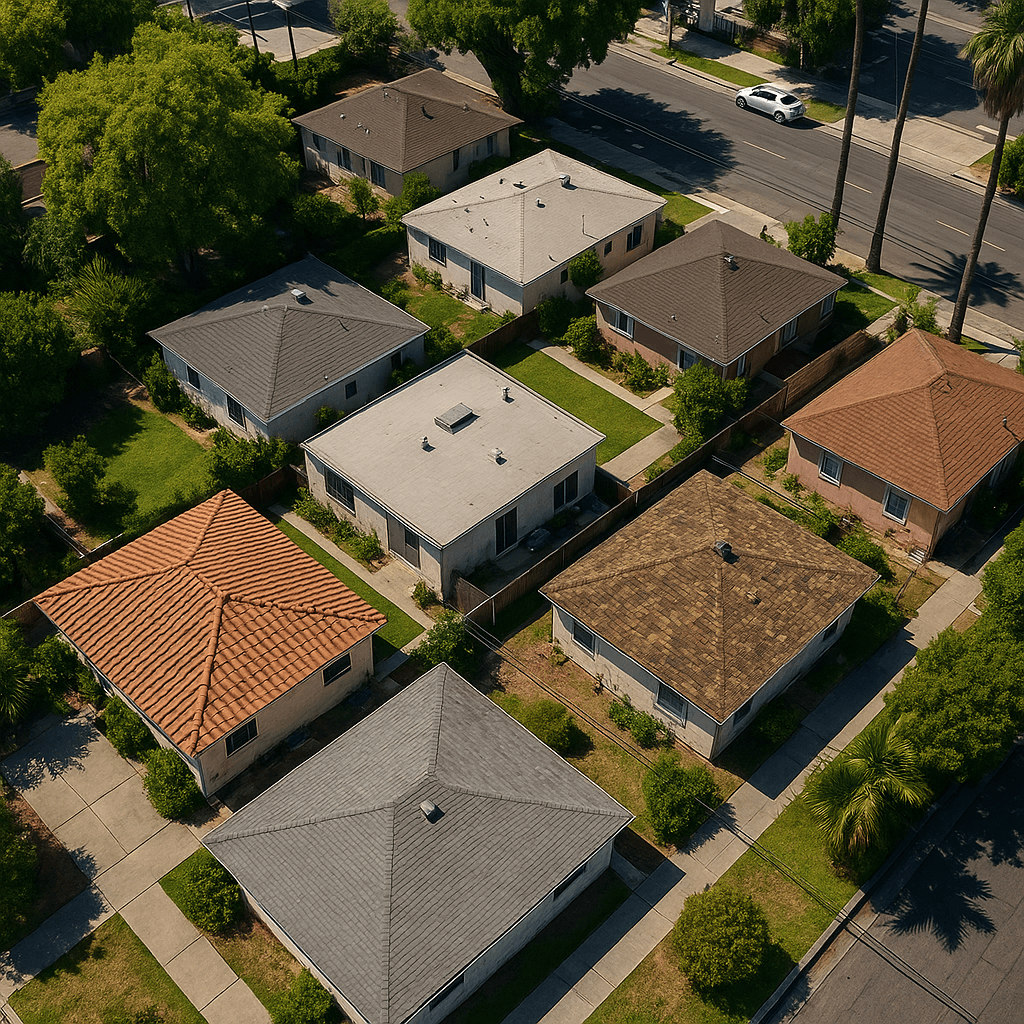
This is where a lot of people get stuck. A repair is cheaper today, but a replacement may save money over the next several years if the roof is already near the end.
Repairs usually make sense when the damage is isolated, the roof is still within a reasonable age range, and the materials are still in decent shape. Replacement starts making more sense when leaks are recurring, repairs are showing up in multiple areas, or the roof has reached the age where failures become more common.
Homeowners also need to think about timing. Waiting until the middle of leak season limits your options and raises stress. Planning a replacement before the roof fully fails gives you more control over materials, scheduling, and budget.
Why Installation Quality Matters as Much as Age
Two roofs installed in the same year can age very differently. The difference often comes down to workmanship, ventilation, flashing details, and whether the right product was used for the slope and structure.
That is one reason many homeowners and contractors prefer working with experienced local suppliers instead of guessing based on shelf labels alone. If you have been searching for roof suppliers near me, it helps to find a yard that can talk through product choices, not just ring up an order.
L.A. Roofing Materials has been serving Southern California since 1982, and the Gardner family has deep roots in the roofing business. The company carries full lines of residential and commercial roofing and waterproofing products, including shingles, tile, metal roofing, underlayment, insulation, flashings, sealants, and more. If you are trying to figure out what your roof may need next, you can call or text 213-747-1718. Se habla español.
What Los Angeles Homeowners Should Budget for Over Time
Every roof eventually needs money put into it. The trick is knowing whether you are paying for maintenance, repair, or the start of a replacement cycle.
Homeowners with newer roofs should budget for inspections, minor repairs, and upkeep like clearing debris and keeping drainage paths open. Owners of older roofs should start planning ahead for larger expenses, especially if the roof is approaching the typical life span for its material. If you have a tile roof, remember that the tile may outlast the underlayment. If you have shingles, the whole system may age more uniformly.
And if you are buying a house in Los Angeles, ask the age of the roof before you close. A beautiful home with a 24-year-old shingle roof may come with a major expense sooner than you think.
So How Often Do Homeowners Really Need a New Roof In LA?
For many homes, the answer is somewhere between every 20 and 30 years if the roof is asphalt shingle, longer if it is tile or metal, and sometimes sooner if the installation was poor or maintenance was neglected. There is no calendar date that applies to every roof in every neighborhood.
The better move is to watch the condition, understand the material on your home, and act before small failures turn into expensive interior damage. If you want help sorting out materials for an upcoming project, stop by L.A. Roofing Materials at 112 W. Jefferson Boulevard in Los Angeles, or give the yard a call. We will help you figure out what makes sense for your roof and your budget.
Frequently Asked Questions
How long does a roof last in Los Angeles
Asphalt shingle roofs typically last 20 to 30 years in Southern California. Tile roofs can go much longer, though the underlayment usually needs replacement before the tile does. Metal roofs can last several decades with the right product and installation.
What are the early signs that a roof needs replacement
Look for curling or missing shingles, heavy granule loss in gutters, cracked or slipping tile, and soft spots in the deck. Recurring leaks in different areas are usually a strong signal that repairs are no longer enough.
How often should I have my roof inspected
A visual check from the ground a couple of times a year works for most homes. Once your roof is over 15 years old, a professional inspection becomes worth scheduling, especially after major wind or rain events.
Should I repair or replace my roof
Repair makes sense when damage is isolated and the rest of the roof still has life left. If leaks keep coming back in multiple spots or the roof is approaching the end of its expected lifespan, replacement is usually the smarter financial move.
Does installation quality really affect how long a roof lasts
Yes, significantly. Two roofs of the same age can perform very differently based on workmanship, ventilation, and flashing details. A poorly installed roof can fail years before a well-built one of the same material.