


If you are choosing a roof for a home or building in a wildfire-prone part of California, the most important thing to understand is that fire resistance depends on the roof assembly, not simply the material you see from the street.
Class A roof systems provide the highest fire-resistance classification for roofing assemblies. Depending on the tested system, fire-resistant roofing options can include asphalt shingles, composite roofing, metal, clay or concrete tile, slate, synthetic slate, and certain low-slope commercial roofing systems.
California’s wildfire construction requirements have also changed. The rules that many homeowners, contractors, and online resources still refer to as California Building Code Chapter 7A were relocated beginning January 1, 2026, into the new California Wildland-Urban Interface Code (CWUIC), Part 7 of Title 24. Many of the concepts associated with Chapter 7A remain relevant, but current projects should be evaluated under the code and local requirements in effect today.
For homeowners and contractors in Los Angeles and other wildfire-prone areas, that means looking beyond a product advertised as “fire-resistant” and confirming that the complete roofing system, installation method, and project requirements are appropriate for the property.
What Makes a Roof Fire-Resistant?
A fire-resistant roof is designed as an assembly to resist exposure to fire. In wildfire conditions, that exposure can come from direct flames, radiant heat, and especially wind-driven embers.
California fire-safety guidance identifies roofs as one of the most vulnerable parts of a building because of their large exposed surface area. Embers can land on the roof, collect in debris, enter gaps, or reach vulnerable areas around roof edges, valleys, vents, skylights, and roof-to-wall intersections.
That is why choosing a fire-resistant roofing material is only one part of the process. The complete system can involve:
- The roof covering
- The underlying roof deck
- Underlayment and other components required by the tested assembly
- Roof valleys and flashing
- Edges, ridges, and transitions
- Vents and penetrations
- Installation according to the product listing and manufacturer instructions
If you are comparing roofing options for a residential project, our residential roofing materials page provides an overview of the major material categories available.
What Is a Class A Fire-Rated Roof?
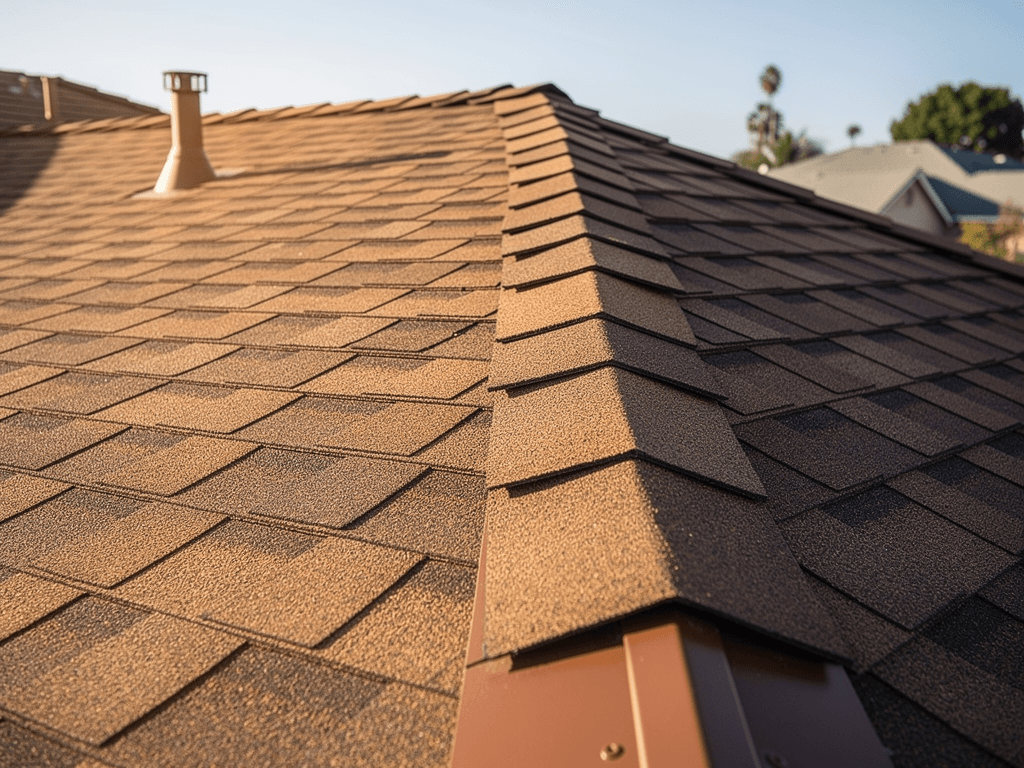
Roof assemblies are commonly classified as Class A, Class B, or Class C based on standardized fire testing.
Class A represents the highest level of fire resistance within this classification system. Class B and Class C provide progressively lower levels of fire resistance.
Roof assemblies may be tested using standards such as ASTM E108 or UL 790. These tests evaluate how a roof assembly performs when exposed to fire conditions.
The important word is assembly. A roofing product cannot always be evaluated in isolation. The roof covering, deck, underlayment, and installation details may all be part of the tested configuration needed to achieve a particular rating.
For that reason, homeowners and contractors should verify the listing for the specific roofing system being considered rather than assuming that every product made from a particular material automatically provides the same rating.
What Happened to California Chapter 7A?
For years, California Building Code Chapter 7A established construction requirements intended to help buildings in wildfire-exposed areas resist flames and burning embers. The term “Chapter 7A” is still widely used by homeowners, contractors, architects, and roofing professionals.
Beginning January 1, 2026, however, California reorganized these requirements. The former Chapter 7A provisions were relocated from the California Building Code into the new California Wildland-Urban Interface Code, Part 7 of Title 24.
The wildfire-related building requirements are now primarily contained in Chapter 5 of the California Wildland-Urban Interface Code.
You can review information about the current California Building Standards Code through the California Building Standards Commission.
If you encounter an older specification, roofing article, plan set, or contractor referring to “Chapter 7A roofing,” it is generally referring to this body of California wildfire-resistant construction requirements. For a current project, however, confirm compliance using the code presently in effect and the requirements of the local authority having jurisdiction.
What Is UL 790?
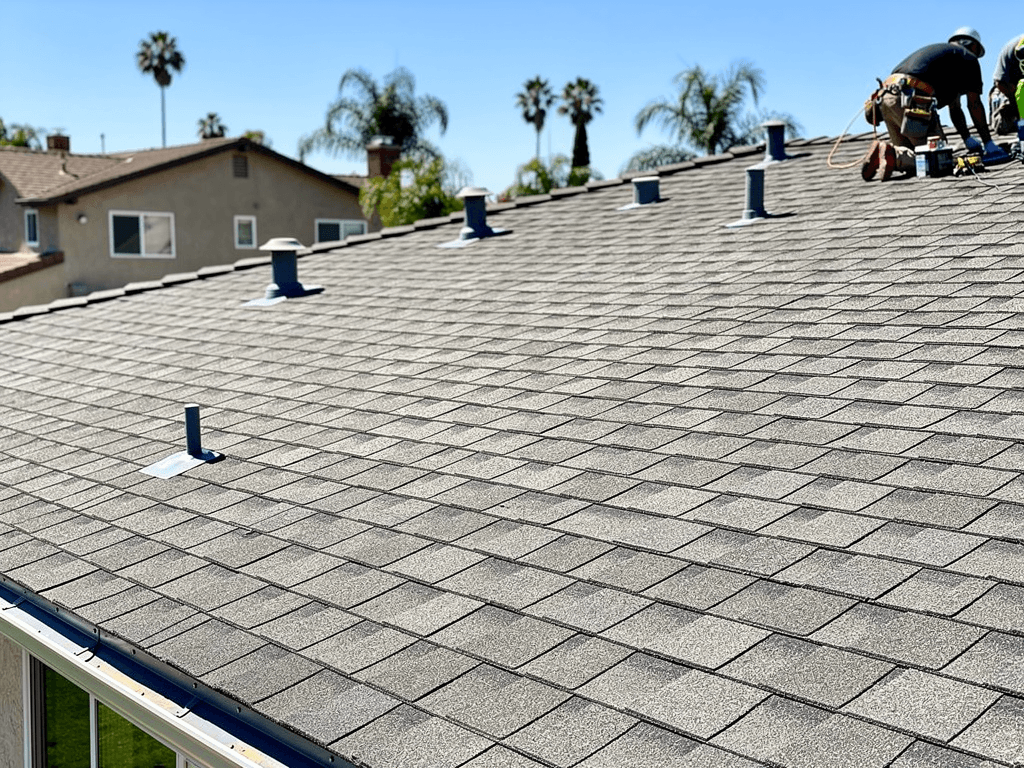
UL 790 is one of the test standards used to evaluate the fire performance of roof coverings and roof assemblies. ASTM E108 is another commonly referenced standard.
California wildfire roofing requirements use these types of standardized fire tests when specifying the required fire classification of roof assemblies.
When reviewing a roofing product, do not rely solely on terms such as “fireproof,” “fire-retardant,” or “wildfire resistant” in marketing materials. Ask what fire classification applies to the specific roof assembly and what installation components are required to maintain that classification.
Best Fire-Resistant Roofing Materials for California
There is no single best fire-resistant roofing material for every California building. The right choice depends on the tested roof assembly as well as structural capacity, roof slope, architectural style, budget, availability, local requirements, and installation conditions.
These are some of the most common options to consider.
Class A Asphalt Shingles
Fiberglass-based asphalt shingles remain one of the most common roofing choices for California homes, and many products can be used as part of Class A-rated roof assemblies.
Asphalt shingles are relatively lightweight, widely available, and offered in a broad range of colors and profiles. They can be a practical option when a homeowner wants strong fire performance without moving to a significantly heavier roofing material.
If your home already has a shingle roof, asphalt shingles may also fit the existing roof structure more readily than heavier materials.
Always verify the fire classification of the specific system and follow the manufacturer’s requirements for the complete installation.
Composite Roofing
Composite roofing products can reproduce the appearance of slate, shake, or other premium materials while weighing substantially less than some natural alternatives.
For older Los Angeles homes or other structures where roof weight is a concern, that can make composite roofing worth considering.
Some composite products are available as part of Class A-rated assemblies, but products vary considerably. Check the specific listing, installation method, roof slope requirements, and required components before selecting a product for a wildfire-exposed property.
Metal Roofing
Metal is noncombustible and can be used in highly fire-resistant roof assemblies. Steel and aluminum systems are common choices for both residential and commercial buildings.
Metal also offers relatively low weight compared with materials such as concrete tile or natural slate, which can make it attractive for certain retrofit projects.
However, a metal roof should still be evaluated as a complete system. Decking, underlayment, seams, edges, penetrations, and installation details all matter.
Learn more about the options on our metal roofing page.
Clay and Concrete Roof Tile
Clay and concrete tiles are widely used throughout Southern California and can provide excellent fire performance as part of an appropriate roof assembly.
They are also well suited to many Spanish, Mediterranean, and other architectural styles common in Los Angeles.
The primary consideration is weight. Concrete and clay tile can place significantly more load on a structure than many shingle, composite, or metal products. The building must be capable of supporting the roofing system being considered.
Roof tiles can also create spaces between the covering and roof deck, making proper detailing important in areas exposed to wind-driven embers.
See our tile roofing materials and concrete roof tile pages for more information.
Natural and Synthetic Slate
Natural slate is a noncombustible roofing material with exceptional durability, but it is also heavy. Structural capacity and installation requirements need to be considered before selecting it for an existing building.
Synthetic slate can provide a similar architectural appearance with considerably less weight. Certain synthetic products can be used in Class A-rated assemblies, making them an option for homeowners looking for a slate appearance without the structural load of natural stone.
Our slate roofing materials page provides more information about natural and synthetic options.
Modified Bitumen and Other Low-Slope Systems
Commercial buildings and residential structures with flat or low-slope roof sections require roofing systems designed specifically for those conditions.
Certain modified bitumen assemblies can achieve Class A fire classifications when installed as tested and listed. Depending on the building and system, other commercial roofing products may also satisfy applicable fire requirements.
Low-slope roofing should not simply be treated as a variation of a shingle roof. Roof slope, deck type, membrane system, insulation, attachment, and the tested assembly all need to be considered together.
Contractors working on these projects can learn more on our commercial roofing materials page and our guide to TPO vs. built-up roofing for Los Angeles buildings.
Fire-Resistant Roofing for Los Angeles Hillside and WUI Properties
Wildfire-resistant construction is particularly important in Los Angeles hillside and foothill communities where homes and other structures meet or sit near wildland vegetation.
These areas are often described as part of the Wildland-Urban Interface, or WUI.
For properties exposed to wildfire, the threat to a roof is not limited to a wall of flames reaching the structure. Wind-driven embers can travel ahead of a wildfire and accumulate on or around a building.
That makes roof details particularly important in hillside and WUI locations, including:
- Roof edges and eaves
- Valleys
- Ridges
- Roof-to-wall intersections
- Skylights and other penetrations
- Gutters
- Vents
- Areas where leaves, pine needles, or other combustible debris can collect
Communities in and around the Los Angeles foothills, Santa Monica Mountains, and other wildfire-exposed areas may also be subject to local requirements in addition to statewide building standards.
Always determine which jurisdiction regulates the property before relying on a general Los Angeles County requirement.
Why Ember Resistance Matters
Many people think about fire-resistant roofing primarily in terms of direct flame contact. In a wildfire, however, embers can be an equally important threat.
Wind-driven embers may collect in roof valleys, gutters, gaps beneath roofing materials, around vents, or where roofing meets walls and other building components.
California wildfire guidance therefore emphasizes not only fire-resistant roofing but also limiting opportunities for embers to enter or accumulate around vulnerable parts of a structure.
For roof systems that create a space between the roof covering and deck, installation details intended to limit flame and ember intrusion can be particularly important.
Do Ember-Resistant Roof Vents Matter?
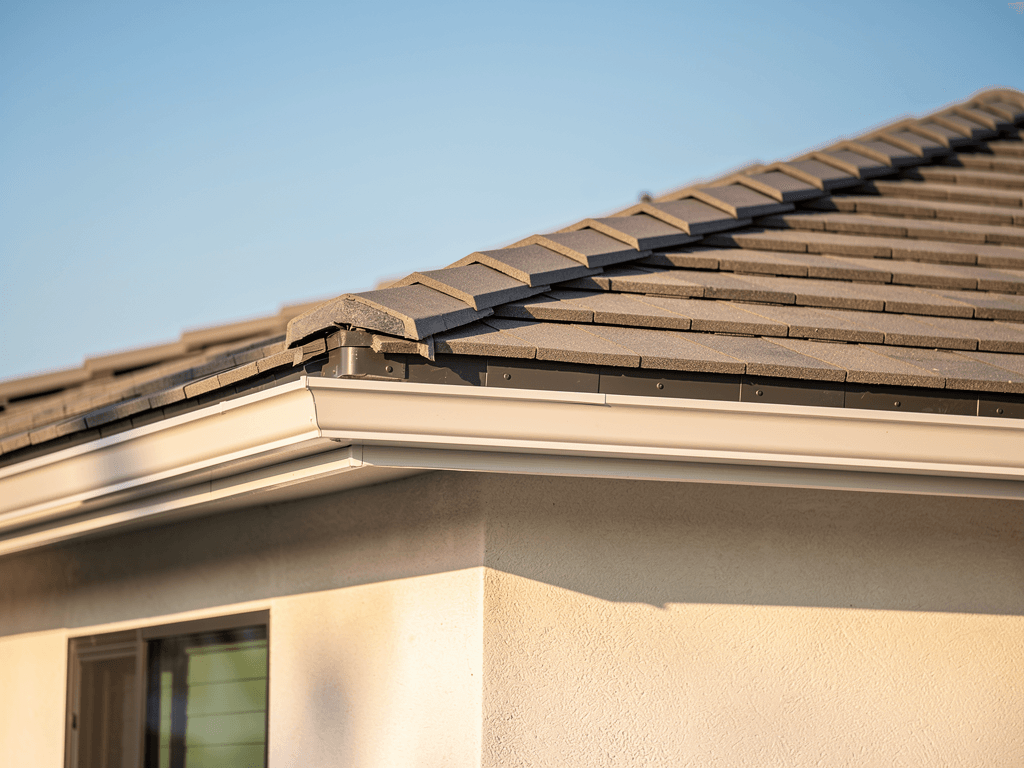
Yes. Roof and attic vents are potential entry points for wind-driven embers.
CAL FIRE recommends protecting vulnerable vents and identifies State Fire Marshal-listed flame- and ember-resistant vents as one option for improving wildfire resistance.
Vent modifications must still provide the ventilation required for the building, so vent selection should be coordinated with applicable building requirements and the roofing system.
You can review current home-hardening recommendations on the CAL FIRE Home Hardening website.
Upgrading an Existing Roof for Better Fire Resistance
If an existing roof is approaching the end of its service life, a reroof or replacement can be an opportunity to improve wildfire resistance.
Before choosing a replacement material, consider the entire existing roof rather than simply selecting a new surface covering.
Important questions include:
- What roofing material is currently installed?
- What is the condition of the roof deck?
- Can the structure support a heavier roofing system?
- What roof slope is involved?
- Is the property in a wildfire or WUI area?
- What fire classification is required for the project?
- What underlayment and assembly components are required by the roofing system?
- Are vents, valleys, edges, gutters, or penetrations vulnerable to ember intrusion?
- Are there local building requirements beyond the statewide code?
If you are replacing an older wood shake or wood shingle roof, local restrictions are especially important. For example, the City of Los Angeles generally prohibits wood shake and wood shingle roof coverings for new roofs, reroofing, and repairs, subject to limited exceptions for certain minor repairs.
If the project involves replacing or reroofing an existing structure, you should also determine whether a permit is required. See our guide to roof permits for repairs and replacements.
The Roof Covering Is Only Part of Wildfire Protection
Even an excellent Class A roof is only one part of reducing a building’s vulnerability to wildfire.
CAL FIRE recommends a broader home-hardening approach that addresses the roof as well as vents, gutters, eaves, siding, windows, decks, and other areas where flames or embers can reach the structure.
For the roof itself, maintenance remains important after installation.
Keep Roof Surfaces and Valleys Clear
Leaves, pine needles, branches, and other combustible debris can accumulate on roofs and in valleys. Keeping these areas clean reduces material that can be ignited by embers.
Keep Gutters Clean
Gutters can collect combustible debris directly along the edge of the roof. CAL FIRE recommends keeping gutters clear and using noncombustible gutter covers to help reduce debris accumulation.
Inspect Roof Openings and Penetrations
Damage and gaps around vents, skylights, flashing, and other roof penetrations can create vulnerable locations. Periodic roof inspections can help identify deterioration before it becomes a larger problem.
Our roof inspection checklist covers additional areas homeowners can monitor.
Maintain Defensible Space
Roofing materials should be considered alongside defensible-space and other wildfire-preparation measures. Vegetation and combustible materials surrounding a building can affect the amount of flame, heat, and ember exposure the structure experiences.
Fire-Resistant Roofing for Commercial Buildings
Fire performance is also an important consideration for commercial roofing projects.
The appropriate roofing system depends heavily on the building and roof design. Steep-slope commercial roofs may use materials such as metal or tile, while low-slope buildings commonly require membrane or modified asphalt systems.
Instead of choosing a product simply because the surface material is noncombustible, commercial contractors should confirm the fire classification of the complete proposed assembly and make sure it is suitable for the deck, slope, insulation, attachment method, and other project conditions.
For low-slope projects, options may include properly rated modified bitumen, TPO, built-up roofing, or other tested commercial assemblies.
See our commercial roofing materials page for additional product categories.
How to Choose the Best Fire-Resistant Roofing Material
For most projects, the decision comes down to more than which material has the strongest reputation for resisting fire.
Consider:
- Required fire classification: Confirm what rating and assembly the project requires.
- Roof slope: Not every roofing product is approved for every slope.
- Structural weight: Tile and natural slate can be considerably heavier than shingles, composite roofing, or many metal systems.
- Existing structure: Retrofit projects may have different limitations than new construction.
- Wildfire exposure: Hillside and WUI properties may require additional attention to ember vulnerabilities.
- Local code: Requirements can vary by jurisdiction.
- Manufacturer requirements: Follow the listing and installation specifications for the exact product and assembly.
- Budget: Compare the complete installed system rather than the roofing material alone.
- Availability: Product availability and lead times can affect project planning.
If you are not sure which product fits a project, bring the property address, plans, specifications, roof measurements, or photos when discussing material options with your supplier or contractor.
Frequently Asked Questions About Fire-Resistant Roofing
What is the best fire-resistant roofing material in California?
There is no single best material for every building. Class A-rated assemblies can use materials including asphalt shingles, composite roofing, metal, tile, slate, synthetic slate, and certain low-slope roofing systems. The best option depends on the required fire classification, roof slope, structural capacity, budget, local code, and the specific tested assembly.
What is a Class A fire-rated roof?
Class A is the highest fire-resistance classification for roof assemblies under commonly used roof fire tests. A Class A rating should be evaluated for the complete tested roof assembly rather than assumed solely from the surface roofing material.
Does California still use Chapter 7A?
The wildfire construction requirements historically contained in California Building Code Chapter 7A were relocated beginning January 1, 2026, into the California Wildland-Urban Interface Code, Part 7 of Title 24. “Chapter 7A” is still commonly used when discussing California wildfire-resistant construction, but current projects should follow the code presently in effect.
What is UL 790 roofing?
UL 790 is a standard used to test the fire performance of roof coverings and assemblies. ASTM E108 is another commonly referenced test standard. These tests are used in determining Class A, B, or C fire classifications.
Are asphalt shingles fire-resistant enough for California wildfire areas?
Many fiberglass-based asphalt shingle systems can achieve a Class A fire rating. Whether a particular shingle is appropriate depends on the complete roof assembly, product listing, manufacturer instructions, and requirements for the property.
Is metal roofing fire-resistant?
Metal itself is noncombustible, and many metal roofing systems can be part of Class A-rated assemblies. The complete roofing system, including the deck, underlayment, attachment, edges, and penetrations, still needs to meet the requirements of the project.
Are clay and concrete roof tiles fire-resistant?
Clay and concrete are noncombustible materials and can be used in highly fire-resistant roof systems. The complete assembly and installation details still matter, particularly where the tile profile creates spaces where embers or debris could enter or accumulate.
Do I need a Class A roof in a California wildfire area?
Current California wildfire construction rules require Class A roof assemblies in applicable Fire Hazard Severity Zones. The exact requirements for a particular property depend on its location, project scope, local amendments, and the authority having jurisdiction, so confirm the requirements before selecting materials.
What is the difference between fire-resistant and fireproof roofing?
“Fire-resistant” is the more accurate term. Roofing systems are tested and classified according to their resistance to fire exposure, but a Class A rating does not mean a roof is completely immune to fire under every possible condition.
How can I make an existing roof more resistant to wildfire?
If the roof needs replacement, choosing an appropriate Class A-rated assembly can be an important upgrade. Existing buildings can also benefit from keeping roofs and gutters free of combustible debris, addressing gaps and damaged components, protecting vulnerable vents from ember intrusion, and maintaining defensible space around the structure.
Find Fire-Resistant Roofing Materials in Los Angeles
LA Roofing Materials has supplied roofing products to Southern California homeowners and contractors since 1982. We carry residential and commercial roofing materials for a wide range of projects, including asphalt shingles, composite products, metal roofing, clay and concrete tile, slate, underlayment, waterproofing products, and low-slope roofing systems.
You can browse our products and services or contact us with the property address, plans, photos, or material specifications for your project.
If you already have an installer, we can help with the material side of the project. If you need help locating a roofing professional, visit our contractor referrals page.
Call or text 213-747-1718, or stop by LA Roofing Materials at 112 W. Jefferson Blvd., Los Angeles, CA. Se habla español.
Building, wildfire, fire-hazard-zone, and roofing requirements can change and may vary by jurisdiction and project. This article provides general information and is not a substitute for guidance from the building or fire authority with jurisdiction over the property, a licensed contractor, engineer, architect, or roofing manufacturer.