


Contractors hear the question constantly. Property owners see two different shingle types listed on competing bids and want to know what they’re actually paying for. The short answer: 3-tab and architectural shingles are both asphalt, but they’re built differently, they perform differently, and the gap matters more here in Southern California than it does in milder climates.
Here’s what separates them and how to pick the right one for the job.
What’s actually different between 3-tab and architectural shingles
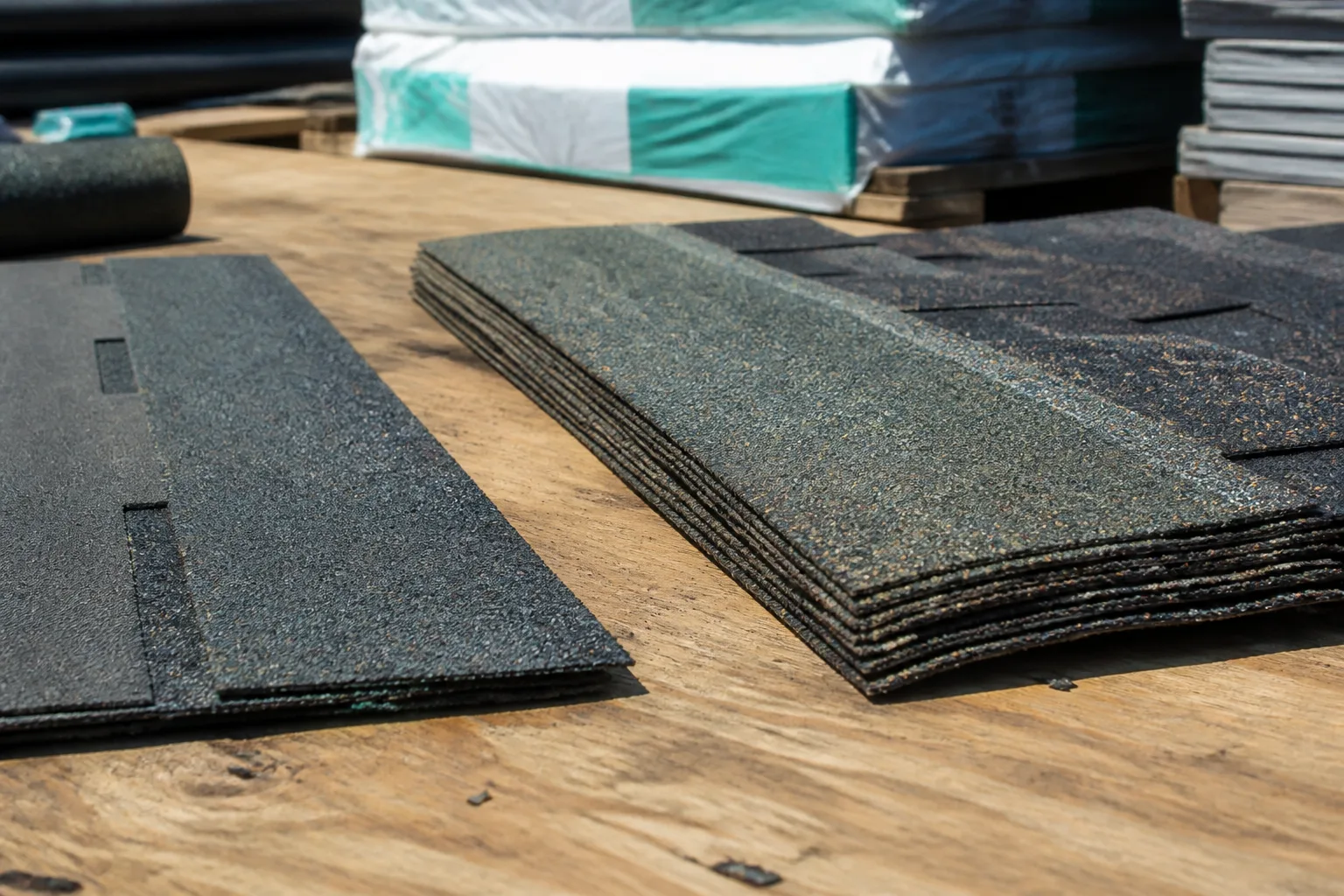
A 3-tab shingle is a single layer of asphalt-coated fiberglass with three evenly spaced cutouts (tabs) along the lower edge. Laid flat, it creates a uniform, repeating pattern. It’s lighter, thinner, and has been the standard economy shingle for decades.
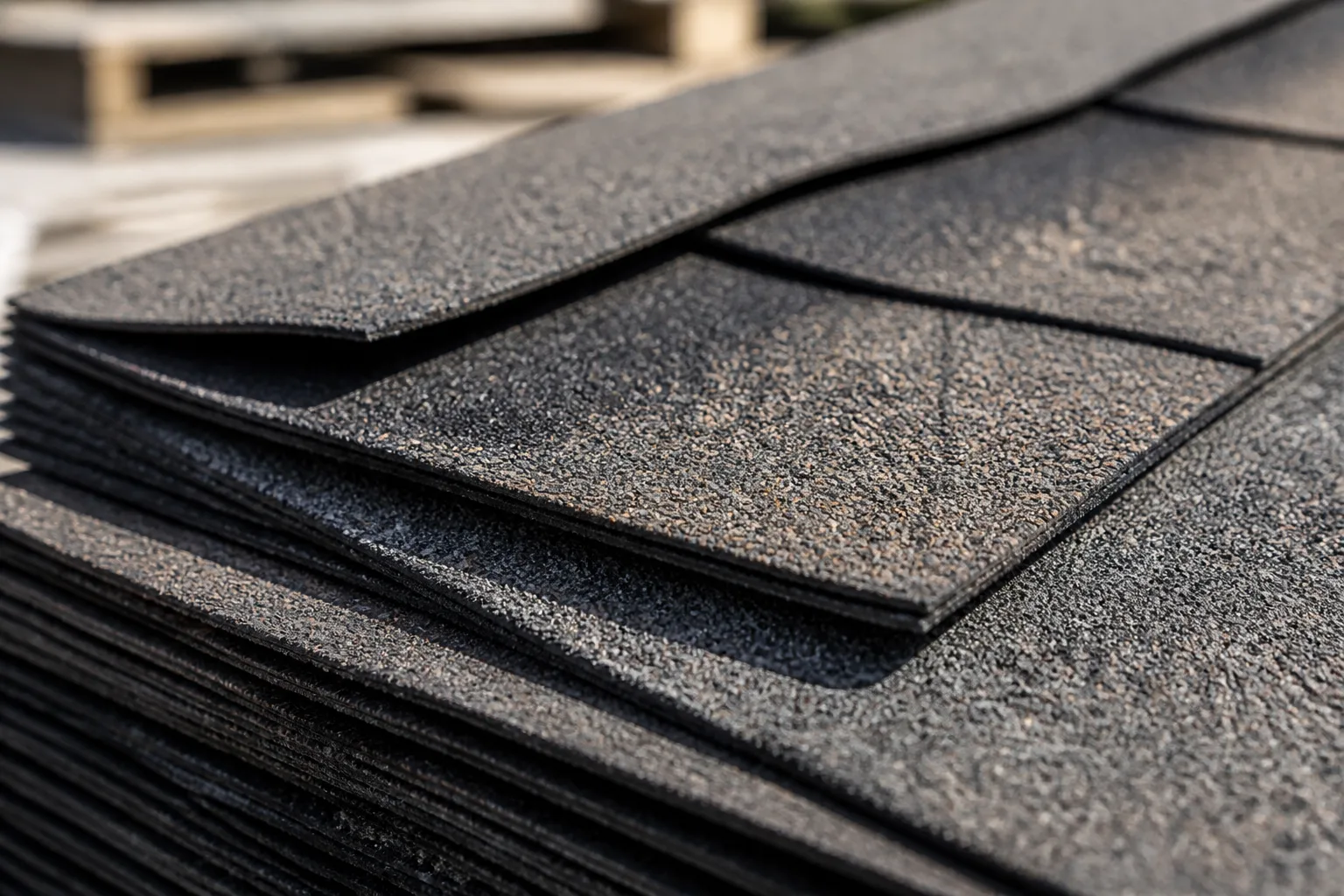
Architectural shingles, also called dimensional or laminate shingles, are built from two or more layers of asphalt laminated together. That layered construction gives them a thicker profile, a heavier weight per square, and a more textured, shadow-line appearance on the roof. The extra mass is not just cosmetic. It changes how the shingle handles wind, UV, and thermal cycling.
The practical differences show up in several places:
- Weight: Architectural shingles are noticeably heavier per square. More material generally means more durability.
- Wind resistance: Most architectural lines carry higher wind-uplift ratings than standard 3-tab products, thanks to the bonded laminate construction and the way they seal down.
- Warranty: Manufacturer warranties on architectural shingles typically run significantly longer than those offered on 3-tab. The specifics vary by product line, so always check the actual warranty document rather than relying on a salesperson’s shorthand.
- Profile: The dimensional look of architectural shingles gives roofs more visual depth. On steep-slope residential work, the difference is obvious from the street.
- Cost: Architectural shingles cost more per square, both in material and sometimes in labor (heavier bundles, slightly different nailing patterns depending on the product). The premium is real but not enormous.
How Southern California weather tests both types
Our climate is the defining factor. It’s not cold or ice that wears out asphalt shingles in Los Angeles. It’s relentless UV, sustained heat, and the thermal swings between a 100-degree afternoon and a 60-degree night.
UV and heat aging
UV radiation breaks down the volatile oils in asphalt over time. That’s what causes shingles to dry out, curl, and lose granules. A thinner, single-layer 3-tab shingle has less asphalt mass to sacrifice before the fiberglass mat starts showing through. Architectural shingles, with their laminated layers, have more material to absorb that punishment before performance degrades. On a south- or west-facing slope in the San Fernando Valley or Inland Empire, the difference in lifespan can be meaningful.
Seasonal rain after long dry spells
Southern California’s rain pattern is brutal on roofing. Months of drying and UV exposure followed by heavy, wind-driven rain. Shingles that have curled or lost seal integrity during the dry months are more vulnerable to blow-offs and water intrusion when winter storms hit. The heavier, more tightly sealed profile of architectural shingles tends to resist that cycle better.
Wind
Santa Ana winds are a fact of life here. Gusts in exposed areas can push well past the rated wind resistance of a standard 3-tab shingle. Architectural shingles generally carry higher wind ratings, and their bonded layers are harder to peel once properly sealed. If the job is in a wind-exposed area, architectural is the safer spec. For contractors sourcing residential roofing materials, wind rating should be near the top of the decision checklist.
Fire ratings, WUI zones, and Title 24
Both 3-tab and architectural asphalt shingles are available in Class A fire-rated assemblies, which is a requirement in wildfire-urban interface (WUI) zones under California’s Chapter 7A standards. The fire rating depends on the full assembly (shingle, underlayment, deck), not just the shingle alone, so always confirm the rated assembly with the manufacturer’s documentation.
Title 24 cool-roof requirements are another consideration. California’s energy code sets minimum solar reflectance and thermal emittance values for certain roof replacements. Some asphalt shingle products meet these thresholds; many do not. Whether you’re looking at 3-tab or architectural, verify the specific product’s cool-roof compliance before speccing it. Your local building department can confirm what applies to your jurisdiction and project type.
These topics deserve more detail than we can cover here. If you’re pricing a job in a WUI zone or navigating cool-roof requirements, our guide to roofing materials for Los Angeles goes deeper on both.
When 3-tab shingles still make sense
It would be easy to say “always go architectural” and move on. But 3-tab shingles haven’t disappeared from the market for a reason.
Budget-driven work is real. On a rental property turnover where the owner needs a functional roof at the lowest defensible cost, 3-tab does the job. When you’re matching an existing roof section and the rest of the field is 3-tab, mixing in architectural creates a visible mismatch. And on low-slope residential additions where the roof is barely visible, the aesthetic advantage of dimensional shingles doesn’t justify the upcharge for some owners.
Contractors who work with property managers know these situations come up regularly. There’s nothing wrong with speccing 3-tab when the circumstances call for it, as long as the customer understands the tradeoffs in longevity and wind performance.
What most contractors are speccing now
From what we see at the yard, architectural shingles have become the default for most residential re-roofs in Los Angeles. The cost difference per square is narrow enough that most homeowners, once they understand the performance and warranty advantages, opt for the upgrade. Contractors who present both options side by side usually end up installing architectural.
For commercial roofing projects with steep-slope sections, architectural is standard. The heavier weight and better wind performance align with what building owners and property managers expect from a new roof system.
Frequently asked questions
Can I put architectural shingles over an existing layer of 3-tab?
Maybe, but it depends on the condition of the existing roof, local code, and the total number of layers already on the deck. Many jurisdictions in Southern California allow a second layer under certain conditions, while others require a full tear-off. Your licensed roofing contractor and local building department are the right people to make that call.
Do architectural shingles cost a lot more than 3-tab?
The material cost per square is higher, but it’s not double. The gap varies by product line and supplier. Call us for current pricing on the specific products you’re considering.
Which type handles the heat better?
Architectural shingles have more asphalt mass, which gives them a longer runway before UV and heat cycling cause visible deterioration. That matters a lot in a place like Los Angeles where roofs cook for eight or nine months out of the year.
Are there cool-roof-rated asphalt shingles in both types?
Yes, though the selection of cool-roof-compliant architectural shingles tends to be broader than what’s available in 3-tab. Check the specific product’s CRRC rating and confirm it meets Title 24 requirements for your project before ordering.
Getting the right shingles for the job
Whether you’re a contractor speccing asphalt shingles in Los Angeles for a re-roof or a property owner trying to make sense of competing bids, the material choice matters. We stock a full range of both 3-tab and architectural shingles and can help you match the right product to the job’s requirements, budget, and code obligations.
L.A. Roofing Materials supplies the materials. For installation, work with a licensed roofing contractor. If you need a referral, we can point you in the right direction.
Ready to order or just want to talk through options? Call or text us at 213-747-1718 (se habla español), email info@laroofingmaterials.com, or stop by the yard at 112 W. Jefferson Blvd, Los Angeles, CA 90007. We’re open Monday through Friday, 6 AM to 4 PM, and Saturday from 6:30 AM to noon. Will-call and custom jobsite delivery are both available.